Relocating to Idaho requires a clear understanding of its broad geographic, economic, and environmental landscape. This article presents essential things to know before moving to Idaho by offering an objective, comprehensive overview of the state’s regional characteristics. From the cold northern panhandle to the semi-arid southern plains, from urban centers to expansive rural areas, Idaho presents a set of practical considerations for anyone researching relocation choices without yet settling on a specific city.
Idaho’s geographic diversity influences population distribution, housing markets, infrastructure access, and environmental risks like wildfires. The state’s cost advantages compare favorably with national averages but differ widely between northern mountainous zones and southern urban areas. This guide provides factual insights into climate zones, economic sectors, transportation infrastructure, and regulatory frameworks—helping readers form a data-driven foundation before choosing where to move within Idaho.
Geographic and Regional Differences Within Idaho
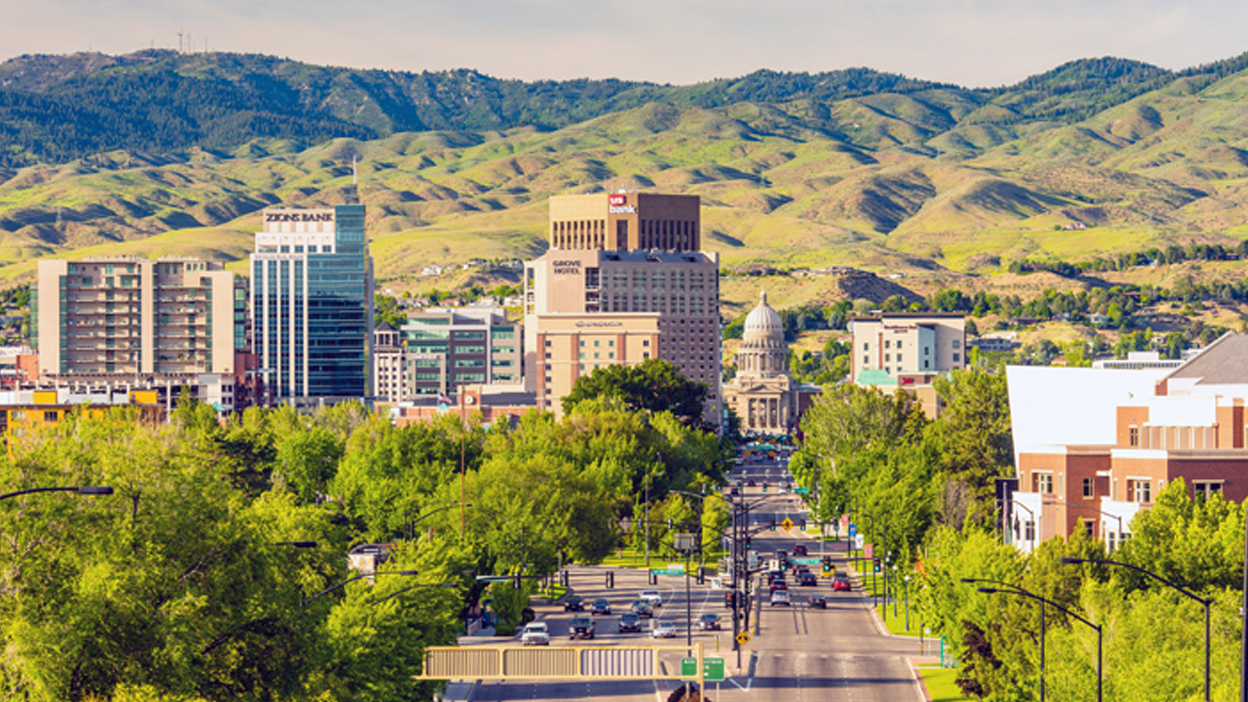
Idaho’s geographic diversity forms a defining feature that shapes living conditions across the state. It is commonly divided into three main regions:
- Northern Idaho Panhandle: Located north of the Salmon River, this region exhibits inland temperate rainforest traits due to Pacific moist air influence. It features dense forest cover, higher precipitation, and mountainous terrain.
- Southern and Central Snake River Plain: This lower-elevation basin constitutes the state’s agricultural and urban heart, including Boise. It has a semi-arid climate with hot summers and comparatively mild winters.
- Mountainous Areas: Extensive ranges intersect both northern and southern regions, including the Rocky Mountains and notable peaks like Borah Peak at 12,662 feet elevation, contrasting sharply with low areas such as Lewiston at 710 feet.
An unusual geographic fact is Idaho’s placement across two time zones. North of the Salmon River, the state observes Pacific Time, while the rest follows Mountain Time. This split affects scheduling and coordination statewide.
Climate and Environmental Variation
Climatic zones vary substantially:
- The northern panhandle endures cold, wet winters with snowfall averaging up to 60 inches annually, driven by a marine-influenced climate.
- In contrast, the southern Snake River Plain experiences semi-arid, hot dry summers and much lighter snowfall—Boise, for instance, averages only 18 inches of snow yearly.
The geography strongly influences population density. The southern river valleys, particularly around Boise, support relatively dense urban and suburban development. Northern mountainous and forested areas remain sparsely populated due to harsher climates and limited infrastructure.
Environmental Risks Related to Geography
Understanding Idaho’s natural hazard profile is crucial:
- Wildfire susceptibility is high in forested and mountainous regions, especially during dry summers.
- Winter snowstorms in mountainous zones can impact transportation and utilities.
- Seismic activity is moderate statewide, with southern Idaho being relatively quieter.
These factors affect insurance costs, infrastructure resilience, and overall living conditions statewide.
Urban vs Rural and Regional Living Patterns
Idaho’s land use and settlement patterns exhibit a marked contrast between its urban hubs and vast rural expanses.
Urban Centers and Infrastructure
The Boise metropolitan area is the primary urban center, located in the southern Snake River Plain. It houses much of Idaho’s population and boasts comprehensive infrastructure: healthcare systems, public utilities, commercial services, and transportation networks.
Rural and Mountainous Areas
Conversely, about 83% of Idaho’s land consists of rural farming areas, mountainous forests, and remote river valleys. Infrastructure here is limited:
- Road networks are sparse and often difficult to traverse, especially in mountainous terrain.
- Public utilities, such as reliable broadband internet or municipal water, are less available compared to the south.
- Public transport outside the Boise metro area is minimal to non-existent.
Agricultural and Climatic Influences
Unlike coastal states, Idaho’s settlement is framed by inland river valleys, like the Snake River, providing fertile ground for agriculture despite semi-arid climate constraints. These valleys support crop production aided by irrigation but remain vulnerable to drought cycles common in the Mountain West.
Demographic Overview
- Idaho experiences rapid population growth, particularly in southern parts.
- The age distribution skews younger to middle-aged in expanding urban areas.
- Diversity remains limited but is growing primarily in metro zones; northern and central Idaho remain more homogeneous.
Lifestyle Characteristics
Outdoor recreation holds a central cultural role, with activities like skiing, hiking, and fishing prevalent, matching the broader Mountain West living ethos emphasizing nature connection.
Social norms favor rural independence, winter sports participation, and low-density residential patterns.
Community life reflects climate and geography without strong focus on entertainment or urban cultural centers statewide.
Taxes, Regulations, and Long-Term Planning Factors
Idaho’s fiscal and regulatory environment directly impacts residents’ long-term planning.
Tax Structure
- Income taxes are progressive but relatively favorable compared to many states.
- Sales tax is moderate; property taxes vary regionally, with higher rates in developable southern plains and lower valuations in restricted mountain zones.
Land Use and Building Regulations
- Environmental protections regulate forests and waterways, influencing land development potential.
- Building codes require seismic resilience, wind resistance, and snow load accommodation, especially in mountainous areas.
- Wildfire mitigation is enforced through regulations requiring defensible space, use of fire-resistant materials, and evacuation plans in high-risk zones.
Homeowner Insurance
Due to wildfire, flood, and seismic risks, insurance costs and coverage requirements are critical factors. Residents must weigh these alongside property location and building standards.
Who Idaho Is Generally a Good Fit For
Idaho aligns well with certain resident profiles based on its statewide traits.
Outdoor Enthusiasts
Those attracted to mountain terrains, skiing, and wilderness areas like Sawtooth and Selway will find a strong match in Idaho’s natural offerings.
Families
Affordable housing options spread across rural and southern areas present viable choices for families prioritizing cost and open space.
Retirees
Retirees often favor southern Idaho’s mild climate, low-density environments, and outdoor recreational access.
Mountain West Living Context
Idaho fits within the broader Mountain West framework by combining recreational opportunity and growth potential while posing challenges such as remoteness and climate variability.
Who Should Research Further Before Moving
Despite the broad overview, certain groups need detailed, localized research beyond statewide patterns.
Families Prioritizing Education
Significant gaps in rural school quality and resources require careful evaluation of specific districts.
Job and Healthcare Seekers
Specialized employment and healthcare facilities cluster in urban centers, limiting rural options.
Winter Climate Sensitivities
Individuals averse to extended cold and snow, particularly in northern Idaho, may find these conditions challenging.
Wildfire Risk Concerns
Potential residents sensitive to wildfire effects should rigorously assess forest proximity, mitigation plans, and insurance costs.
Microclimate, infrastructure, and service availability inquiry becomes essential prior to relocation decisions.
Conclusion
Grasping Idaho’s geographic diversity, economic structure, infrastructure realities, and environmental considerations is critical for prospective movers. This guide has highlighted core things to know before moving to Idaho that provide a factual, statewide-level foundation.
Idaho offers distinct advantages, such as affordability, outdoor recreation, and a growing economy, alongside challenges like infrastructure disparities and climate risks. After reviewing this broad preview, conducting detailed local research tailored to individual needs and priorities is essential for an informed relocation choice.
Understanding these fundamentals prepares you for a well-planned move across Idaho’s varied landscapes.