When considering relocating, knowing the things to know before moving to South Carolina provides essential practical insights. These include a thorough understanding of the state’s geography, cost of living, climate, infrastructure, and economic landscape. South Carolina is characterized by diverse regions and varying environmental factors that influence where people live and work.
This article offers a factual and neutral overview of the statewide realities to support informed decision-making in the research and planning stages of moving to South Carolina, without focusing on individual cities.
Geographic and Regional Differences Within South Carolina
South Carolina’s geography divides into four major regions with distinct landforms: the Lowcountry/coastal plain, the Midlands, the Upstate (Piedmont), and the Sandhills.
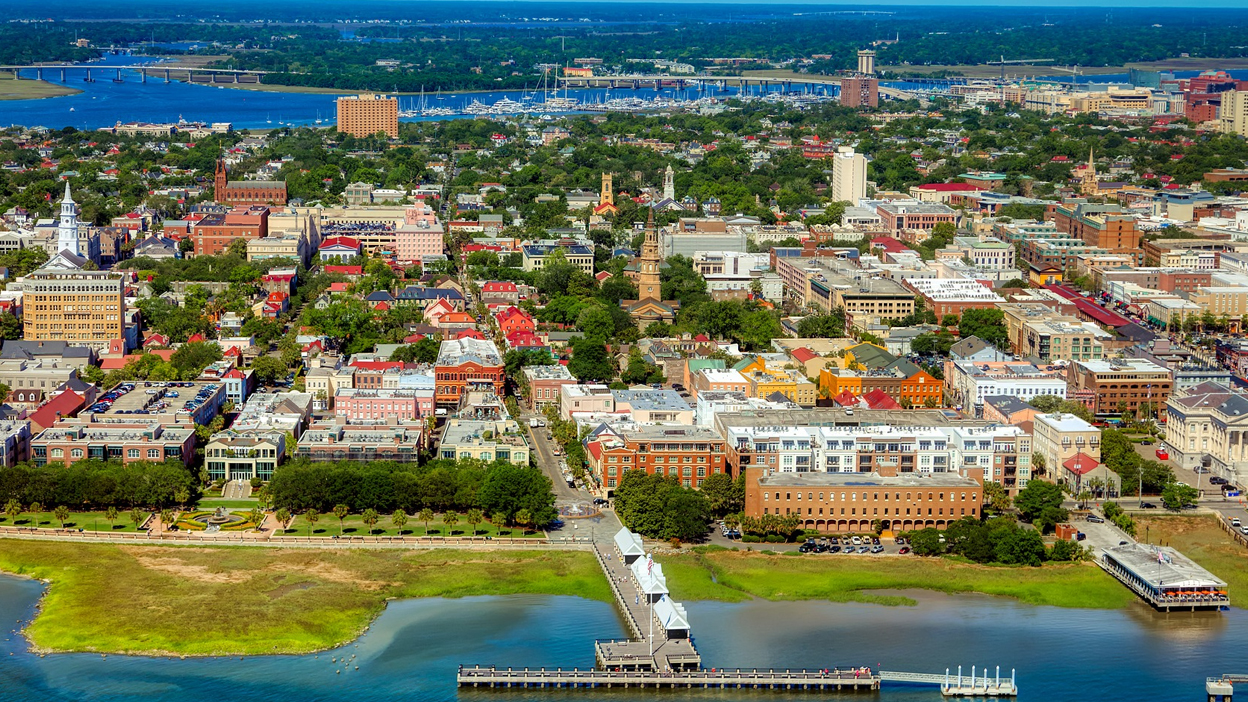
- Lowcountry/Coastal Plain: This region stretches from the Fall Line eastward to the Atlantic Ocean. It features flat, fertile lands alongside coastal marshes, wetlands, and rivers. Examples include the expansive ACE Basin, a notable protected estuarine area containing tidal creeks and marshlands. The coastal plain’s flat terrain and proximity to the Atlantic significantly influence population clusters along the coast but limit large-scale urban sprawl due to environmental restrictions like wetlands and floodplains.
- Midlands: Located along the Fall Line, this transitional zone marks a shift from coastal plains to rolling uplands. The Fall Line itself is a geographic boundary characterized by waterfalls and rapids where rivers such as the Broad, Saluda, and Congaree drop from the Piedmont to the coastal plain. This area supports some of the state’s prominent urban centers and represents a blend of topography influencing settlement and infrastructure.
- Upstate (Piedmont): The largest region, the Upstate, is a rolling plateau with old metamorphic rocks. It features the gradual rise toward the Blue Ridge Mountains in the northwest, including peaks like Sassafras Mountain at 3,554 feet, the highest point in the state. The Piedmont’s varied elevation and substantial land area accommodate the densest population centers inland, with urban development concentrated in cities and surrounding suburbs.
- Sandhills: This narrow band of ancient dunes—ranging between 10 and 35 miles wide—links the Piedmont to the coastal plain near Columbia. Characterized by sandy, well-drained soils and extensive pine forests, the Sandhills support less dense rural settlement than urban regions, with some protected natural areas such as Sand Hills State Forest.
The state’s population distribution and urban development closely align with these geographic features. The Piedmont region’s rolling hills favor concentrated urbanization, while the coastal plain’s wetlands and flood-prone areas restrict sprawling growth. Conversely, the rugged Blue Ridge Mountains offer limited population due to steep and inaccessible terrain.
South Carolina’s geography also creates environmental risks crucial for moving considerations. Coastal areas face hurricane exposure, with storm surges threatening wetlands and low-lying communities. Flooding is prevalent in coastal marshes and floodplains, while mountainous areas see less population but heightened topographic constraints. These risks distinctly influence where infrastructure and housing development are feasible.
Urban vs Rural and Regional Living Patterns in South Carolina
South Carolina presents a pronounced divide between urban centers and vast rural areas shaped by topography and economic history.
- Coastal Urban Centers: Cities in the Lowcountry, such as Charleston, form dense population hubs primarily along the coastal corridors. These centers benefit from port facilities, tourism industries, and established infrastructure, but are limited in outward expansion by wetlands and flood zones.
- Inland Metropolitan Hubs: The Midlands and Piedmont regions, including notable cities like Columbia and Greenville, support dense urban populations supported by diversified industries. These areas have better access to hospitals, education facilities, and transit options compared to rural parts of the state.
- Rural Zones: Extensive rural landscapes, particularly in the Sandhills and inland sections of the Coastal Plain, remain agricultural and less developed. These regions feature sparse populations, limited public services, and infrastructure primarily serving farming communities.
Compared to other coastal southern states, South Carolina exhibits sharper urban concentration in the Piedmont region, combining industrial centers and growing suburban zones. Coastal wetlands impose limits on urban sprawl, resulting in a more noticeable urban-rural dichotomy than in some neighboring states, where broader coastal plains support larger metropolitan footprints.
Taxes, Regulations, and Long-Term Planning Factors
South Carolina’s regulatory framework includes several key components affecting residents:
- State Tax Structure: The state employs a progressive income tax system with multiple brackets, combines it with a sales tax system, and maintains relatively low property taxes compared to national averages, fostering overall affordability.
- Insurance Requirements: Higher coastal premiums for homeowners’ insurance relate directly to hurricane and flooding risks, increasing living costs in vulnerable zones.
- Housing and Zoning Regulations: Environmental protections are enforced to preserve sensitive areas like coastal wetlands, the Sandhills dunes, and flood-prone zones such as the ACE Basin. These regulations restrict certain developments, influencing housing availability and land use in affected regions.
Awareness of these factors is crucial for effective long-term planning for new residents.
Who South Carolina Is Generally a Good Fit For
South Carolina’s profile suits various groups based on affordability, employment, climate, and lifestyle:
- Affordability Seekers: Individuals and families prioritizing cost-effective living will find inland and Upstate regions appealing due to moderate housing prices and lower insurance costs.
- Industry Employees: Workers in manufacturing, tourism, agriculture, and port logistics may benefit from proximity to relevant economic hubs, mainly in Piedmont and Lowcountry areas.
- Retirees: The mild subtropical climate combined with reasonable living costs attracts retirees seeking outdoor access and mild seasonal variations.
- Urban-Rural Mix Seekers: Those interested in a blend of urban amenities and rural space can find options across South Carolina’s varied regions.
This diverse offering accommodates a wide range of moving priorities.
Who Should Research Further Before Moving to South Carolina

Certain groups should conduct additional targeted research beyond this statewide overview:
- Families with Specific Needs: Education and healthcare quality vary between urban and rural areas, making thorough local evaluation imperative for those with particular service demands.
- Climate-Sensitive Individuals: Prospective residents concerned about hurricane and flood risk should investigate specific coastal and inland floodplain vulnerabilities.
- Public Transit Dependents: Given the state’s heavy car reliance, those requiring extensive transit must explore urban metro options in detail.
- Professionals Outside Core Industries: Employment opportunities cluster around manufacturing, agriculture, tourism, and ports; individuals in other fields may need to assess job availability regionally.
Utilizing this guide to refine priorities will support more focused city- or county-level research.
Conclusion
Understanding the broad factors involved in things to know before moving to South Carolina—ranging from geographic regions and urban-rural patterns to economic sectors, infrastructure, and environmental risks—is vital for making informed relocation decisions.
This comprehensive, statewide overview equips prospective movers with the foundational knowledge needed to evaluate South Carolina’s diverse living options before choosing a specific city or area. Effective planning grounded in these key statewide realities will maximize alignment with personal priorities and long-term goals.