Moving to a new city can be both exciting and challenging. If you’re thinking about relocating to the nation’s capital, it’s important to have a clear understanding of what living in Washington, D.C. really means. This blog post covers practical insights to help you prepare for your move by focusing on the most relevant things to know before moving to Washington, D.C. We will break down what newcomers genuinely need to understand to settle in smoothly and make informed decisions.
From the everyday cost of living and housing choices to work culture and transportation, you’ll get a realistic picture of life in Washington, D.C. Whether you’re moving for a job, school, or a change in lifestyle, knowing what to expect will ease your transition into this busy urban environment.
Why People Choose to Move to Washington, D.C.
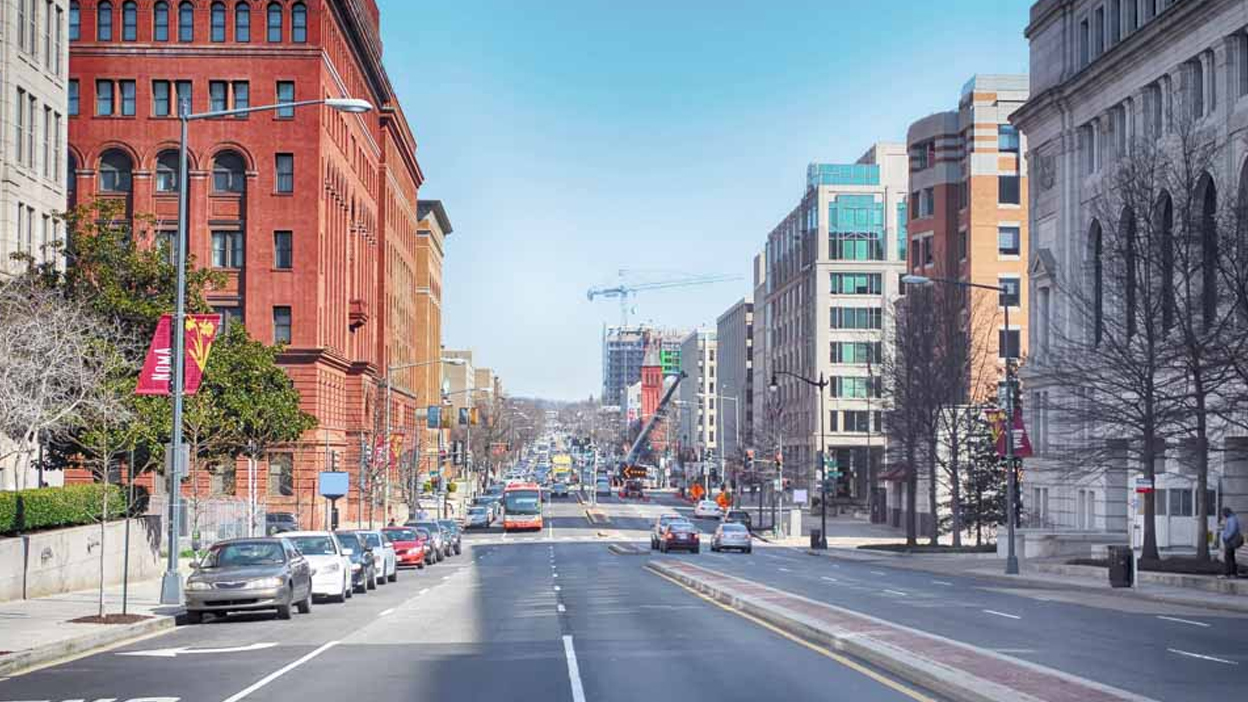
Washington, D.C. draws people mainly because of its strong connection to the federal government. Many who are relocating to D.C. do so to find government jobs, work with policy research groups, nonprofits, or lobbying firms. The city works as a hub for careers related to law, education, and public service more than just being a symbolic capital.
Besides work, D.C. offers a lifestyle rooted deeply in history and culture. Its many museums, monuments, and institutions provide easy access to learning and civic activities, making it attractive to people who value these experiences. Families often move here for the combination of urban life and good educational opportunities, which include public and private schools and nearby universities. Understanding these reasons helps set the stage for what life in Washington, D.C. involves beyond just its reputation as the capital.
Understanding the Cost of Living and How It Affects Daily Life
One of the most important things to know before moving to Washington, D.C. is that the cost of living is generally higher than in many other cities. Much of this comes from housing costs, which take up a significant portion of most residents’ budgets. This often means people have to adjust their lifestyle by opting for smaller apartments or choosing to live in neighborhoods farther from downtown to save money.
Everyday expenses—like groceries, utilities, healthcare, and transportation—can also add up and require thoughtful spending. Many newcomers find themselves cutting back on dining out or entertainment to keep expenses manageable. Stretching a budget here means balancing these different costs carefully while factoring in the higher price of utilities due to seasonal temperature changes and utility demand. Knowing these cost pressures upfront can help shape realistic expectations about living in Washington, D.C.
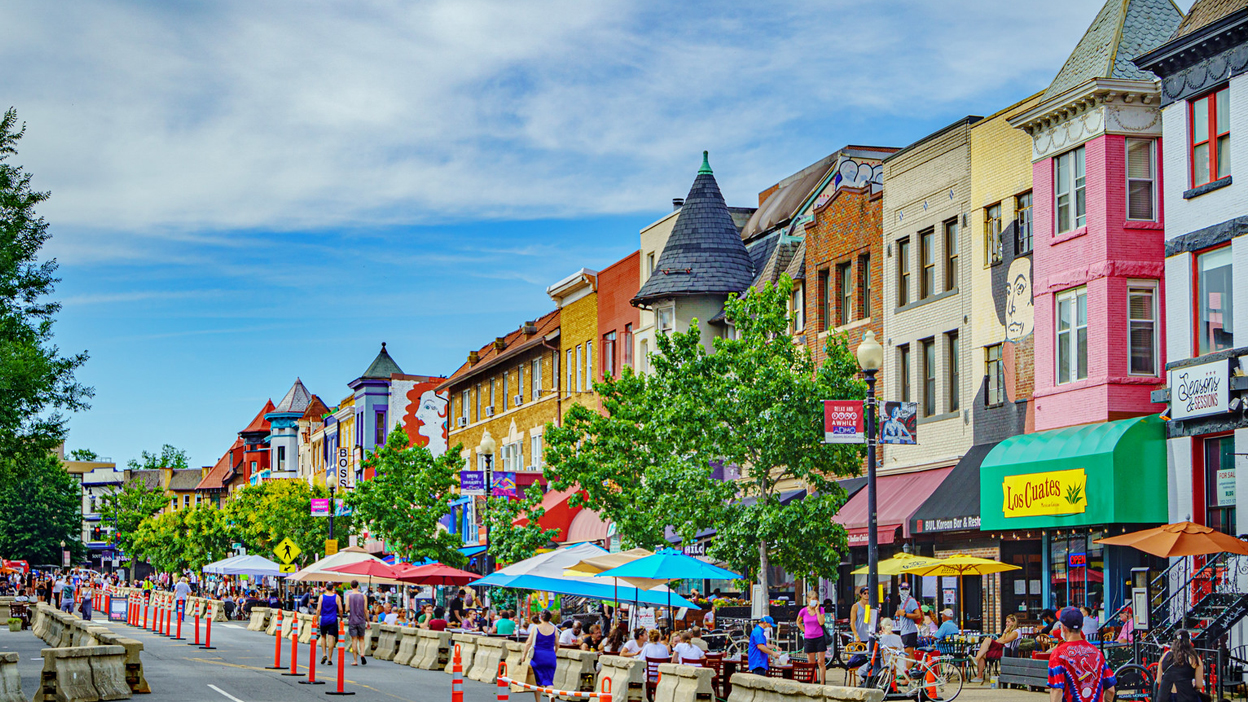
Social life often revolves around work or volunteer opportunities, and because many residents are temporary, forming long-lasting friendships requires effort. Still, the city has a growing cultural scene with music, dining, theater, and nightlife in neighborhoods like U Street and Shaw. Understanding this busy, career-focused social atmosphere helps newcomers adjust their expectations for community life.
Paperwork and Setup Tasks After Moving
After moving to Washington, D.C., there are essential administrative steps to complete. You’ll need to get a D.C. driver’s license or ID and register any vehicles you bring. Setting up utilities like electricity, gas, water, and internet is also a priority.
Don’t forget to update your address with employers, banks, insurance companies, and the postal service. If you have children, enrolling them in local schools or daycare requires gathering their documents and completing registration. Registering to vote in the district is also important if you plan to make D.C. your home. Having your paperwork ready ahead of time will make these steps smoother and help you settle in quickly.
Common Challenges New Residents Face
One of the main challenges newcomers face is finding suitable housing. The rental market is competitive, with high demand and landlords asking for detailed documentation. Without local credit history or a job secured, it might be hard to find housing quickly. Budget pressures mean many compromise either on neighborhood, size, or commute time.
Higher living costs affect more than just housing; unexpected expenses for transit, utilities, or healthcare can add up. The city’s fast pace and work culture may also challenge those used to slower rhythms or clearer work-life boundaries. Building a social circle takes time due to the transient nature of the population and the professional focus of relationships. Getting to know neighborhoods and commuting routes requires some trial and error. Knowing these challenges beforehand prepares you to address them as they come.
Conclusion
Washington, D.C. presents many real opportunities and cultural advantages, but life here involves balancing expenses, navigating a fast-paced work culture, and adjusting to urban living. Keeping these practical points in mind makes relocating smoother and increases your chances of settling in successfully. By planning your move carefully, researching housing and jobs ahead of time, and staying adaptable, you can make the most of your new life in Washington, D.C.