Minnesota’s economic landscape is vibrant and diverse, offering a wealth of career prospects for job seekers across many industries. In this article, we focus on the best cities for job opportunities in Minnesota, specifically selecting officially incorporated cities known for strong employment markets and economic growth. Choosing the right city can greatly influence your career trajectory and financial wellbeing, making it essential to prioritize cities that foster job growth and provide sustainable livelihoods.
Minnesota’s economy is rich in healthcare, technology, manufacturing, finance, and educational sectors. The cities featured here exemplify the state’s dynamic employment environments, offering job seekers a host of opportunities, higher wages, and supportive infrastructure. Whether you’re launching a career or seeking advancement, understanding which Minnesota job market cities offer the best prospects is crucial.
Why Choosing the Right City for Job Opportunities Matters
The city you live in directly shapes your career path, income potential, and quality of life. Minnesota job market cities with robust employment opportunities create a foundation for economic stability and growth. These cities offer diverse job sectors, allowing professionals to find meaningful and high-paying roles.
Economic vitality supports not just jobs, but also community services, social resources, and work-life balance. Promising Minnesota employment growth cities provide a fertile environment for ongoing personal development and career progression. Selecting such a city means choosing a place where job opportunities are plentiful and future-proof, which leads to a more secure lifestyle.
In this article, we highlight cities boasting these essential advantages:
economic strength, diverse labor markets, and promising career paths.
Criteria Used to Select the Best Cities for Job Opportunities
This list exclusively includes officially incorporated cities in Minnesota—as legally defined by the state—ensuring accuracy and relevance. No towns, suburbs, or unincorporated areas are included.
To pinpoint the best cities for job opportunities in Minnesota, we focused on:
- Strong and diversified job markets: Cities with steady employment growth across industries such as technology, healthcare, manufacturing, finance, and education.
- High-paying job availability: Metropolitan areas offering a variety of well-compensated roles that align with career growth ambitions.
- Median household income levels: Cities where income potential supports a comfortable lifestyle, considering local housing costs.
- Housing affordability: Locations with accessible home prices and rental rates that allow residents to live sustainably while enjoying job opportunities.
- Educational infrastructure: Cities that host colleges, universities, and workforce training programs supporting career advancement and skill development in key fields.
These factors make these Minnesota employment growth cities ideal for job seekers making informed relocation or career decisions.
10 Best Cities for Job Opportunities in Minnesota (2026 Guide)
1. Minneapolis

Minneapolis is an officially incorporated city and the largest in Minnesota. It serves as a central hub in the Twin Cities metropolitan area with a dynamic and diverse economy.
- Population: ~427,246 residents
- Median Home Price: ~$362,200
- Median Rent: ~$1,400 per month
- Median Household Income: ~$80,900 annually
- Employment Opportunity Highlights: Minneapolis’s economy is anchored by strong sectors in technology, finance, healthcare, and retail. It hosts major corporate headquarters, including Target and U.S. Bancorp, fostering numerous high paying jobs in corporate management and technology development. The city embraces business incentives encouraging startups and innovation, offering dynamic growth for job seekers in tech and finance.
- Local Weather and Climate: Minneapolis experiences cold, snowy winters and warm summers, typical of Minnesota’s continental climate. Seasonal weather influences commuting and recreational activities but is well managed through city infrastructure.
- Economy and Jobs: The economy remains resilient with steady expansion in professional services, healthcare, and manufacturing. Minneapolis’s business environment encourages sustainable economic development and attracts a talented workforce.
- Educational Opportunities: The city hosts the University of Minnesota’s flagship campus, along with many community colleges and technical institutes that supply a steady stream of skilled graduates in STEM fields and healthcare.
- Ideal For: Young professionals in technology, finance professionals, healthcare workers, and entrepreneurs aiming for high-paying urban jobs.
- Known For: Corporate headquarters, thriving tech hub, extensive public transit, and a strong startup ecosystem.
Minneapolis ranks as a prime city for job opportunities in Minnesota due to its diversified economy, high-paying jobs, and strong educational institutions. It suits job seekers targeting career growth in vibrant metropolitan settings.
2. St. Paul
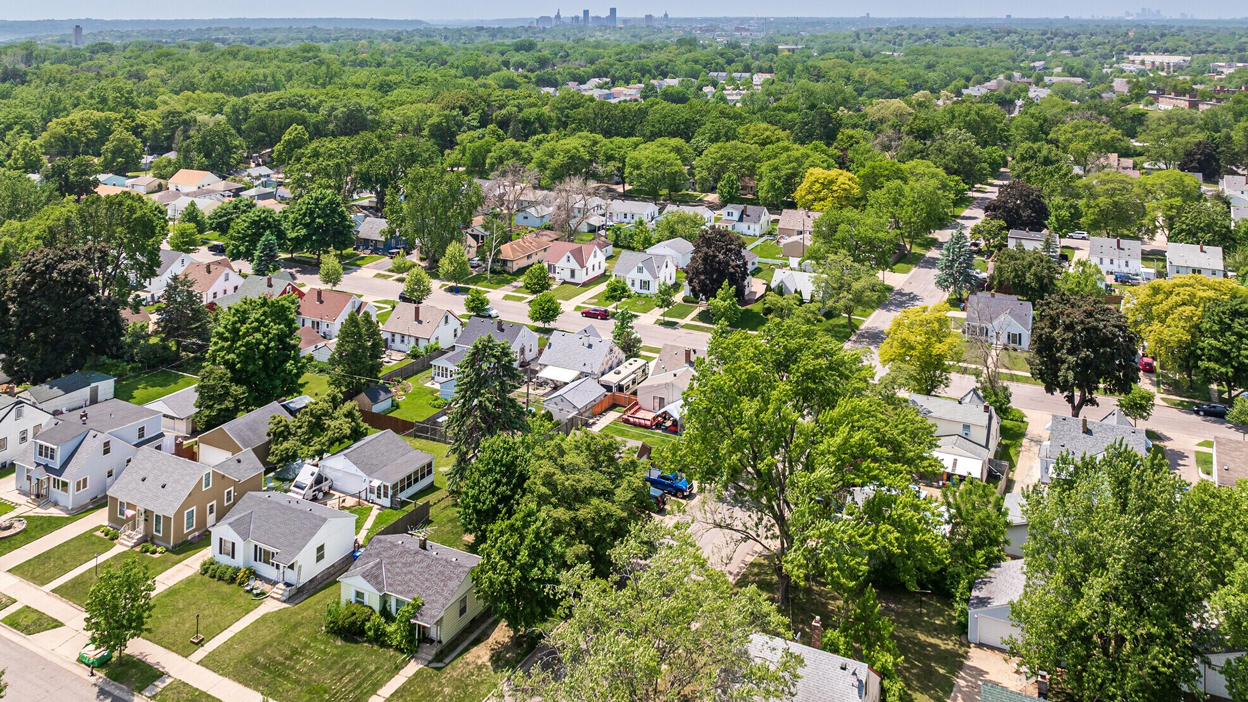
St. Paul is Minnesota’s state capital and an incorporated city known for its stable economy and cultural heritage, neighboring Minneapolis as part of the Twin Cities.
- Population: ~307,290 residents
- Median Home Price: ~$294,500
- Median Rent: ~$1,300 per month
- Median Household Income: ~$73,400 annually
- Employment Opportunity Highlights: St. Paul benefits from a strong government employment base alongside expanding sectors like education, healthcare, and manufacturing. The city fosters employment growth via public sector jobs and encourages business startups, leading to diverse job opportunities across various income levels.
- Local Weather and Climate: Weather parallels that of Minneapolis, marked by cold winters and warm summers, with seasonal shifts influencing daily life.
- Economy and Jobs: An economically stable city with initiatives aimed at workforce training and economic diversification, supporting sustainable jobs in public administration and private sectors.
- Educational Opportunities: Home to several colleges and universities, including Hamline University and St. Catherine University, plus workforce programs focused on public service and health careers.
- Ideal For: Job seekers interested in government roles, healthcare professionals, educators, and manufacturing employees.
- Known For: State governmental institutions, cultural landmarks, and a strong foundation in education and manufacturing.
St. Paul offers reliable job opportunities particularly in government and healthcare, making it a strong contender among Minnesota employment growth cities for job seekers valuing stability and diverse roles.
8. Maple Grove
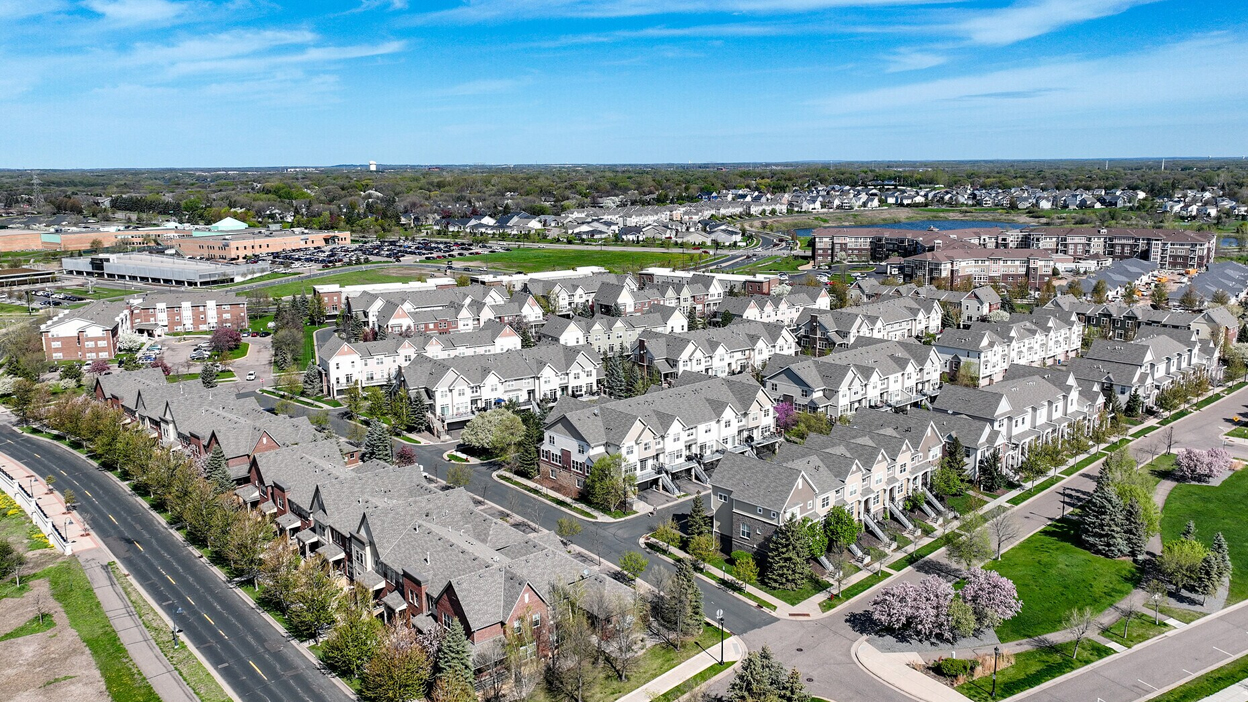
Maple Grove is an incorporated city northwest of Minneapolis known for its retail and medical technology industries.
- Population: ~67,840 residents
- Median Home Price: ~$391,700
- Median Rent: ~$1,500 per month
- Median Household Income: ~$130,100 annually
- Employment Opportunity Highlights: The city hosts medical device firms and retail businesses fostering job growth in healthcare technology and commerce. Business development initiatives accelerate employment opportunities in both professional and trade careers.
- Local Weather and Climate: Maple Grove experiences seasonal weather fluctuations with cold winters and warm summers impacting lifestyle and commuting patterns.
- Economy and Jobs: Strong growth in healthcare technology and retail sectors, complemented by a growing service economy, drives job creation.
- Educational Opportunities: The city benefits from nearby universities and technical schools offering health sciences and business training.
- Ideal For: Healthcare technology professionals, retail managers, and business administrators.
- Known For: Medical device companies, retail centers, and business growth.
Maple Grove is a premier city for job seekers in Minnesota’s healthcare tech and retail sectors, combining economic vibrancy with good living conditions.
9. Burnsville
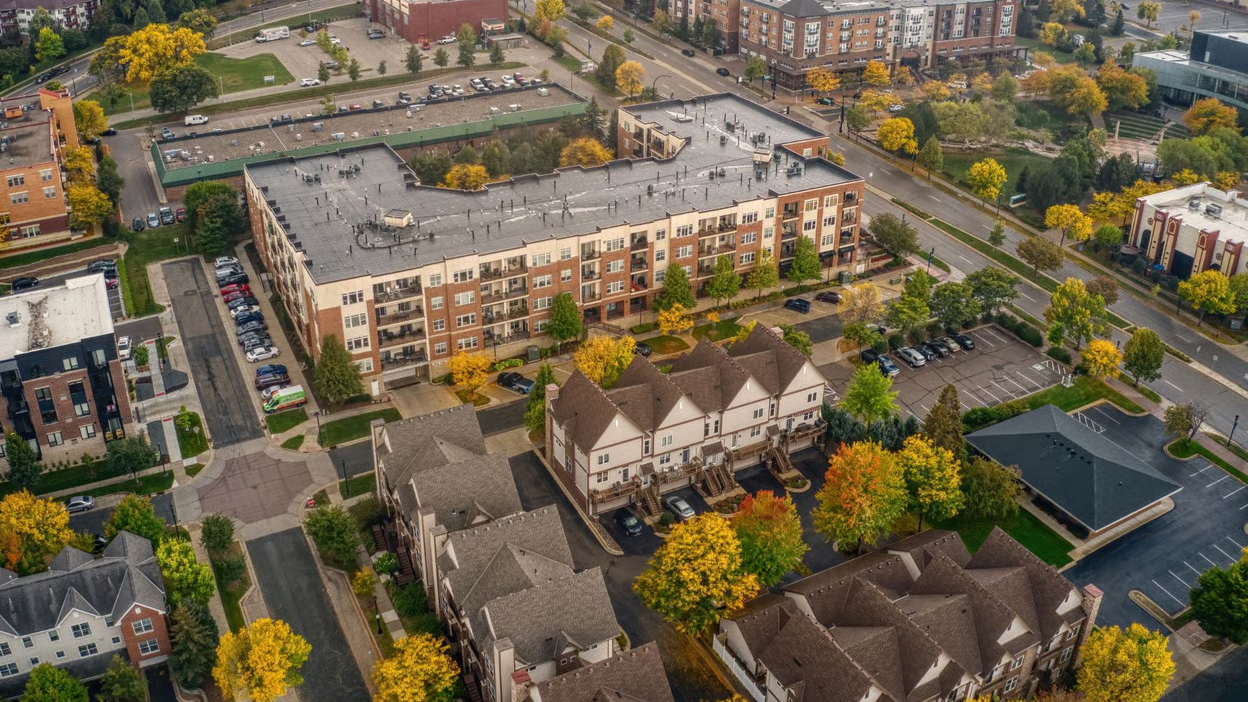
Burnsville is a southern suburb of Minneapolis and an incorporated city with a diversified economic base.
- Population: ~66,140 residents
- Median Home Price: ~$336,900
- Median Rent: ~$1,300 per month
- Median Household Income: ~$89,600 annually
- Employment Opportunity Highlights: Burnsville offers a mix of retail, healthcare, and manufacturing jobs. Its business parks support logistics and service industries, while economic incentives encourage local entrepreneurship and expansion.
- Local Weather and Climate: Typical Minnesota weather with snowy winters and mild summers influencing daily life but well supported by infrastructure.
- Economy and Jobs: The city’s economic focus includes retail centers, healthcare providers, and industry, creating a variety of employment options.
- Educational Opportunities: Nearby colleges and vocational programs prepare workers for careers in healthcare, retail, and manufacturing.
- Ideal For: Retail workers, healthcare professionals, trade workers, and small business owners.
- Known For: Business parks, retail outlets, and a community-oriented economy.
Burnsville is a solid job market city in Minnesota, well-suited to those seeking diverse job opportunities within a supportive incorporated city.
10. Edina
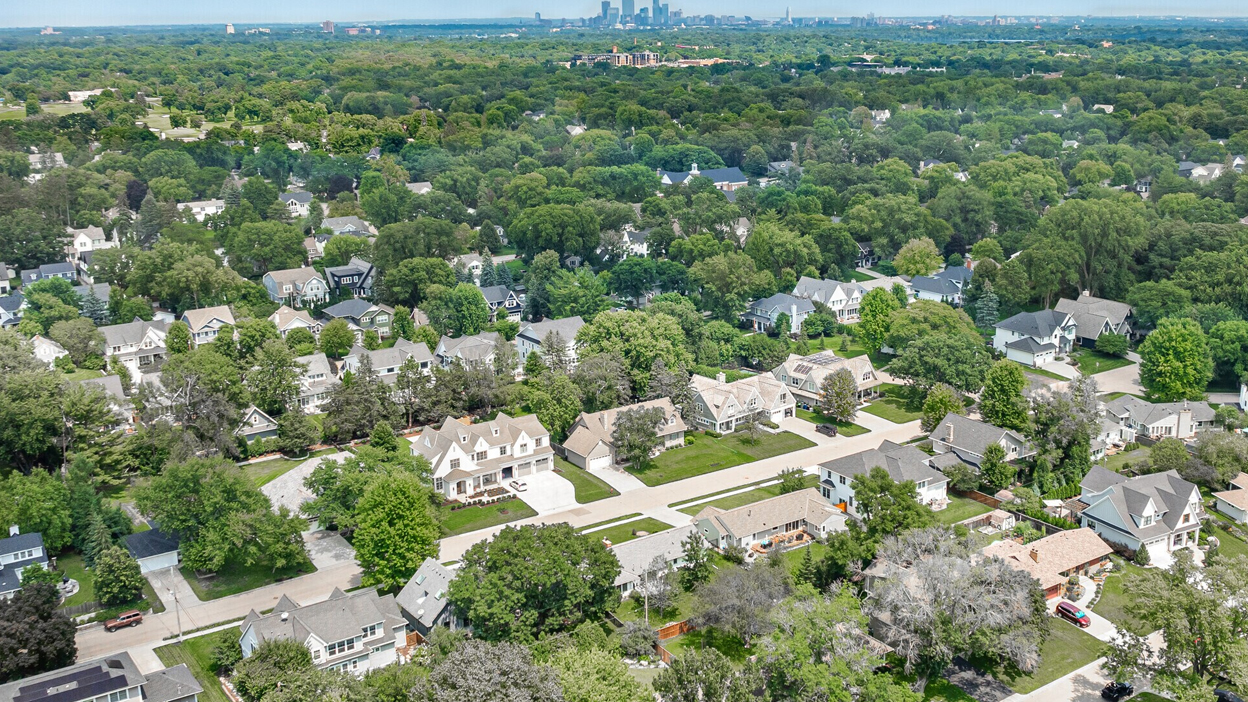
Edina is an incorporated city southwest of Minneapolis, considered one of Minnesota’s affluent economic centers.
- Population: ~53,260 residents
- Median Home Price: ~$646,300
- Median Rent: ~$1,800 per month
- Median Household Income: ~$128,800 annually
- Employment Opportunity Highlights: Edina hosts multiple corporate headquarters and a strong professional services sector, including finance and consulting. High paying jobs abound in business management and corporate administration.
- Local Weather and Climate: Typical for the Minneapolis area, Edina has cold winters and warm summers affecting commuting and lifestyle.
- Economy and Jobs: Affluent and economically stable, Edina boasts a highly educated workforce and a business-friendly environment conducive to growth.
- Educational Opportunities: Close to major universities and private schools, Edina emphasizes education that feeds into high skill job markets.
- Ideal For: Executives, finance professionals, entrepreneurs, and career-focused families.
- Known For: Corporate headquarters, upscale residential communities, and strong professional sectors.
Edina stands out among Minnesota employment growth cities for those seeking competitive, high-paying careers within an incorporated city offering excellent amenities.
Frequently Asked Questions (FAQs)
Which industries are booming in Minnesota’s incorporated cities?
Minnesota’s top cities show strong growth in healthcare, technology, finance, manufacturing, and education, providing a range of job opportunities for diverse professions.
How affordable are these cities considering local income levels and housing costs?
Affordability varies across cities; some like Duluth and Burnsville offer more accessible housing prices, while places like Edina and Maple Grove have higher costs balanced by higher incomes.
What is the average commuting scenario for workers in these cities?
Most cities have infrastructure supporting manageable commutes, with Minneapolis and St. Paul offering public transit options. Suburban cities rely more on car travel but benefit from less congestion.
Are there strong education and training opportunities to bolster career growth?
Yes, almost all these cities have access to higher education institutions and workforce training programs, preparing residents for local high paying jobs.
Conclusion
The 10 cities outlined here represent the best incorporated cities for job opportunities in Minnesota, each offering a unique combination of strong employment markets, diverse high paying jobs, and supportive living conditions.
From Minneapolis’s corporate heart to Rochester’s healthcare innovation and Edina’s professional sectors, these cities provide robust job growth and economic stability.
Choosing one of these Minnesota employment growth cities can optimize your career prospects and improve your quality of life by aligning personal goals with thriving job markets and affordable living. For job seekers focused on career advancement, these cities stand out as ideal destinations where opportunity meets practicality.
By reviewing these best cities for job opportunities in Minnesota, you are equipped to make a well-informed choice about your next professional move—leveraging the state’s diverse economy and vibrant urban centers for long-term success.