
When asking is San Diego a good place to live, the answer depends most on individual lifestyle needs and personal preferences. Rather than relying solely on rankings or generalized quality of life scores, it helps to understand how San Diego’s daily environment aligns with what matters to each person. Lifestyle fit is about how well the city’s rhythms, social fabric, and surroundings match someone’s priorities.
This article approaches the question from a resident’s perspective, exploring what daily life really feels like in San Diego. We cover the pace of life, community atmosphere, work routines, environment, and comfort to give a grounded, experience-based view of living in this city. You’ll get a clear sense of who tends to find San Diego a good match and who might find it more challenging.
What Daily Life in San Diego Actually Feels Like
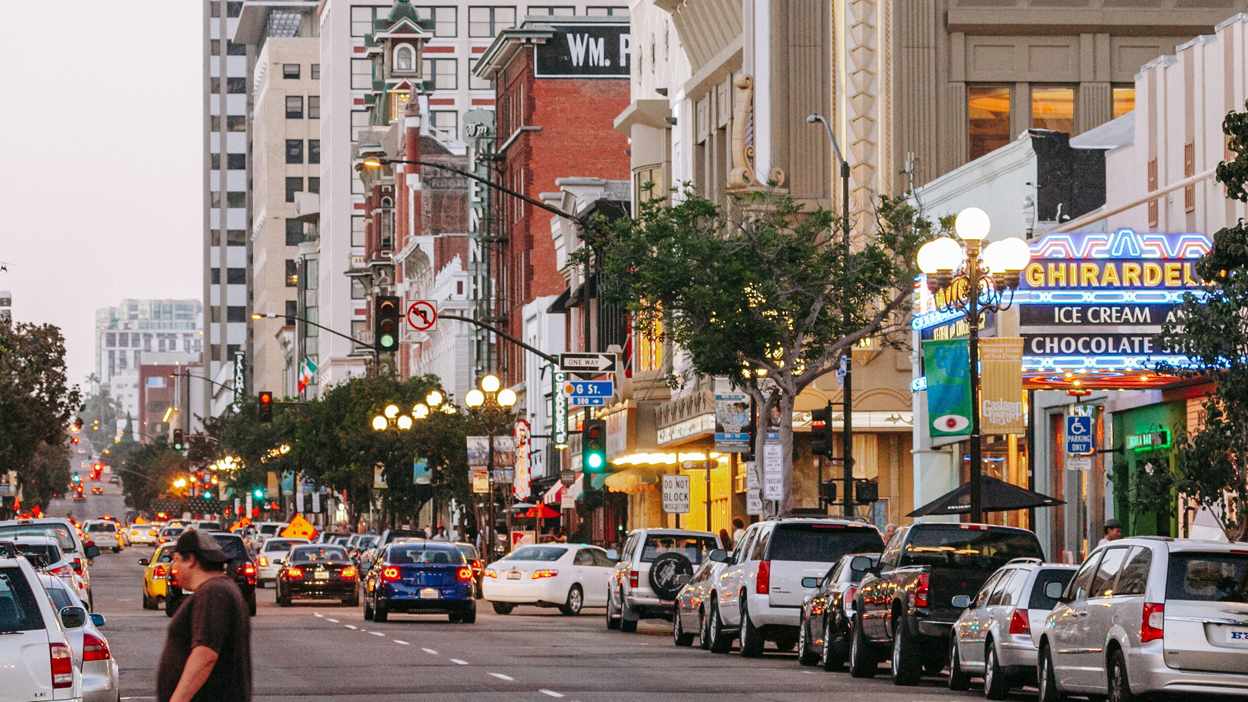
Life in San Diego strikes a balance between relaxed coastal living and active urban energy. The city moves neither too fast nor too slow: peaceful enough to enjoy quiet moments yet stimulating enough with a variety of activities.
Weekdays generally blend work or errands with outdoor leisure. It’s common for residents to take a morning or evening stroll along local beaches or through parks as part of their routine. Trips to open-air markets or a quick surf session after work are not unusual. San Diego’s climate encourages spending time outside, allowing the natural setting to merge seamlessly with daily responsibilities.
Weekends open up more time for popular outdoor activities—hiking in nearby trails, surfing the Pacific waves, or visiting local patios and cafes. The city’s vibrant food scene, especially its tacos, represents a staple that locals often incorporate into their weekend routines. This mix of accessible nature and urban culture creates a lifestyle neither overly busy nor idle, but comfortably in between.
Sunshine and fresh air, supported by relatively low pollution, shape habits like morning jogs in Balboa Park or evening bike rides along the bay. The climate is a key part of daily comfort, influencing everything from what residents wear to how they socialize.
In short, if you wonder is San Diego a good place to live, consider that much depends on how much you value this blend of outdoor access, moderate pace, and local culture that San Diego offers.
The Social and Community Atmosphere
San Diego’s social environment often feels open and approachable. Many newcomers find it easiest to build connections in casual settings like neighborhood cafes, Friday rooftop gatherings, or artisanal markets. Professional and creative communities also serve as entry points, with groups centered around tech, arts, or wellness frequently meeting in social venues.
Family-oriented neighborhoods contribute to a sense of belonging, where neighbors tend to know and watch out for each other, and community events are common. Though the city is growing, many residents experience tight-knit vibes in their local areas.
Who San Diego Is Likely a Good Fit For

San Diego generally suits people who value an active, health-conscious lifestyle centered around outdoor living. Those who appreciate frequent connection to nature and the sea find the city’s rhythms complement their priorities well.
Moderate urban pace works well for individuals or families who want neither full immersion in urban hustle nor complete retreat to isolation. This middle ground offers opportunities for engaging with community, local food culture, and recreational activities while maintaining balance.
Residents who enjoy walkability in neighborhoods, access to parks and beaches, and a community-minded ethos tend to feel comfortable here. The city’s emphasis on family-oriented amenities and connections to natural spaces resonates with parents and people focused on wellness.
For those asking is San Diego a good place to live with these lifestyle traits, the city often fulfills expectations without sacrificing comfort or variety.
Who Might Struggle Living in San Diego
San Diego’s style may feel less compatible for those seeking a highly fast-paced urban lifestyle marked by intense professional competition or very traditional, close-knit community structures.
People preferring expansive private outdoor areas might find the denser apartment developments in active urban neighborhoods restrictive. The city’s evolving character means some areas experience rapid growth and change, which can be uncomfortable for individuals valuing long-established social patterns or rapid infrastructure expansion to match population increases.
Additionally, those wanting a consistently intense city energy might perceive San Diego’s laid-back but growing environment as somewhat slow or uneven. These considerations relate closely to personal alignment with lifestyle rather than reflecting objective shortcomings.
Understanding these differences is important when contemplating is San Diego a good place to live, helping to clarify the fit between individual preferences and city dynamics.
Conclusion
Ultimately, whether is San Diego a good place to live hinges on one’s lifestyle priorities. Reflecting on how much value is placed on outdoor access, balancing work and leisure, and participating in open, evolving communities can clarify the match.
This detailed, resident-focused insight shows that San Diego offers high satisfaction for many people who mesh well with its coastal environment, moderate pace, and social atmosphere. It forms just one aspect among broader considerations like housing and infrastructure when assessing personal fit.
Taking this nuanced look into daily life and lived experience provides a grounded foundation for anyone seriously evaluating if San Diego meets their unique criteria.