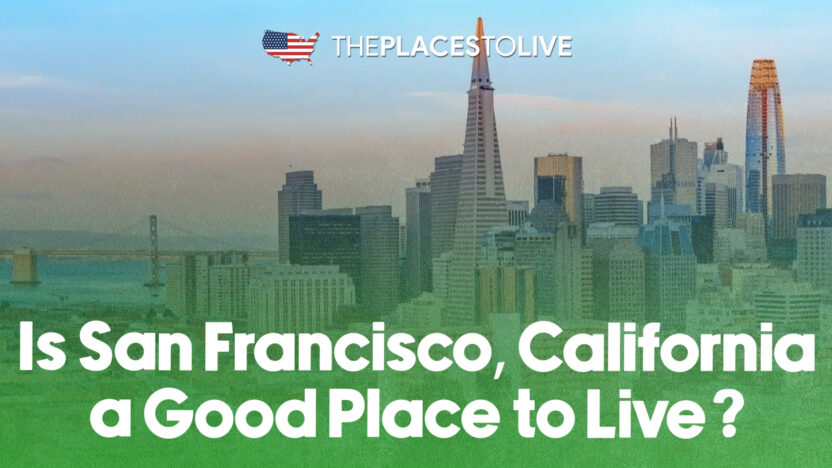
The question “Is San Francisco a good place to live” resists a simple, universal answer. Residential satisfaction in San Francisco does not hinge on typical metrics or rankings but rather on deeply personal factors. Individual lifestyle priorities, personality traits, and tolerance for urban complexity shape how people experience life here.
Understanding how San Francisco’s unique daily life, cultural rhythms, and community fabric align with your expectations offers a more meaningful perspective. The phrase “living in SF pros and cons” points to the need for nuanced, experience-based insights rather than straightforward lists or quick judgments. This article explores the texture of living in San Francisco, grounded in real urban life and its distinctive dimensions.
What Daily Life in San Francisco Actually Feels Like
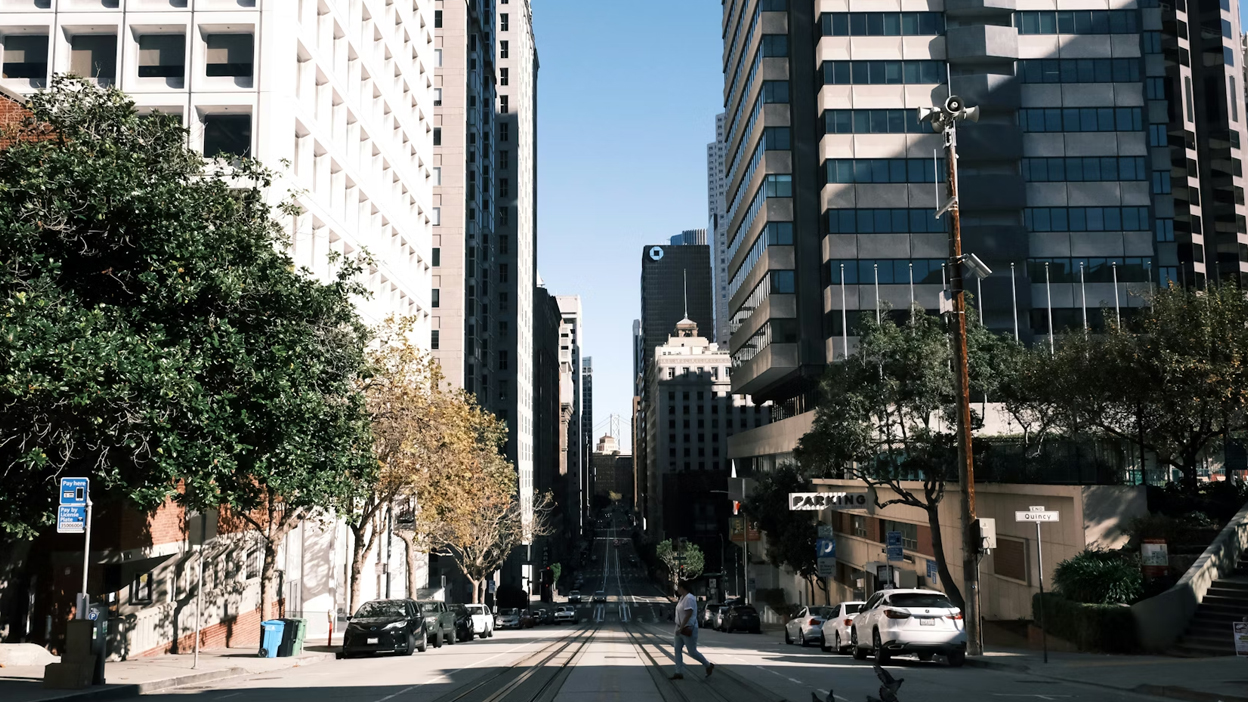
Living in San Francisco means navigating a city with a fluctuating and often variable pace. Its daily rhythm swings noticeably between weekdays and weekends and shifts across neighborhoods and individual routines.
Weekday Energy: The Urban Pulse
During the workweek, the city takes on a pronounced business-focused tempo. Central areas like the Financial District and SoMa fill with the concentrated flow of professionals commuting by foot, public transit, and bike. Streets feel energized and purposeful, with dense foot traffic and a focused urban buzz that comes from San Francisco’s role as a major economic and tech hub.
Even residential neighborhoods do not escape this driven atmosphere. Mornings see residents rushing to work or appointments, and occasional crowds gather around local transit stops or cafes catering to morning routines. The pace can feel brisk, as the city hums with productivity.
Weekend Shift: Exploration and Unwinding
When the weekend arrives, San Francisco reveals a softer, more exploratory character. The weekday intensity relaxes, and residents immerse themselves in outdoor recreation, cultural events, and neighborhood socializing.
Golden Gate Park, the waterfront, and regional trails become destinations for hiking, cycling, or leisurely strolls. Small neighborhood cafes and local events offer settings for gathering and conversation outside work pressures. San Francisco weekends invite a different tempo, one marked by discovery and casual connection.
A Balance of Intensities
Daily life in San Francisco involves a balance between moments of hectic urban energy and pockets of neighborhood calm. Shifting intensities depend on the day of the week, the local neighborhood, and individual schedules. Someone might transition from a fast-moving workday commute into an evening spent chatting with neighbors at a community gathering.
This variability creates a dynamic living experience, but it also demands adaptability. Residents who thrive here tend to navigate these fluctuations comfortably, embracing both the city’s vibrant rush and its quieter respites.
The Social and Community Atmosphere
San Francisco’s social environment unfolds as a mosaic shaped by diverse populations, wide-ranging economies, and neighborhood-specific cultures.
Neighborhood Cultures: From Close-Knit to Transient
Different parts of the city offer distinct social fabrics. Areas like the Sunset District, Noe Valley, and the Mission tend to cultivate a close-knit, family-oriented atmosphere. Here, multigenerational residents support local businesses, participate in street fairs, and foster enduring community ties.
In contrast, neighborhoods around tech corridors and downtown often host more transient populations. Social scenes here revolve around startups, professional networking, and a flow of people frequently arriving or departing. The resulting social climate feels more fluid and work-centric.
People open to varied social settings and fluid communities align well with San Francisco’s dynamic fabric.
Socially and Professionally Active
Those who enjoy fast-paced, diverse social environments and who balance professional ambition with creative, cultural, or outdoor engagement report satisfaction.
The city appeals to individuals who integrate networking, community involvement, and leisure in a fluid daily rhythm.
Urban Mobility and Outdoor Interest
Living comfortably without a car, relying on walking, public transit, or cycling, and regularly using parks or waterfront spaces complements San Francisco life.
People drawn to incorporating outdoor activities into their routines tend to find the city rewarding.
Seeking Balance Within Intensity
Residents who deliberately create breaks from work and who engage beyond professional life—through culture, community, or recreation—often establish sustainable personal rhythms here.
Who Might Struggle Living in San Francisco
Certain preferences and needs may not align easily with San Francisco’s urban character.
Preference for Stability and Predictability
Individuals who value slow-paced, homogeneous communities with fixed social roles may find the city’s constant change and diversity unsettling.
The fluid social landscape can feel disorienting to those craving predictability.
Need for Extensive Personal Space
People who require greater physical separation from neighbors or who seek quiet, spacious environments may find compact city living restrictive.
San Francisco’s density demands comfort with proximity and shared public spaces.
Limited Connection to Urban Outdoors
Residents uninterested in outdoor activities or who avoid public spaces might experience the city’s environment as confining rather than freeing.
The city’s accessible natural spaces form a core part of daily life for many; lacking outdoor engagement can affect overall comfort.
Aversion to Embedded Work Culture
Those wishing for clearer boundaries between work and personal life, or who find intensive professional networking draining, may feel misaligned with the city’s professional intensity.
San Francisco’s work-driven atmosphere permeates social settings and routines more than in some cities.
Difficulty With Transience
People who need stable, ingrained social networks and community roots may find the high population turnover a challenge.
The continual arrival of newcomers and shifting demographics can undermine feelings of permanent belonging.
Conclusion
Answering “Is San Francisco a good place to live” requires honest self-reflection on your lifestyle needs, social preferences, and tolerance for urban complexity.
San Francisco offers a distinctive blend of professional intensity, cultural diversity, physical environment, and evolving community life. Your fit with this combination determines your experience here more than external rankings or simple lists of living in SF pros and cons.
Consider whether you thrive in dense, diverse, and fast-paced environments; whether you engage actively with outdoor spaces and community; whether constant change feels energizing to you; and whether you balance professional demands with leisure and exploration.
San Francisco is neither universally ideal nor unsuitable. Its daily realities and rhythms align strongly with some and present ongoing challenges for others. Recognizing your own values and preferences will guide you toward the honest answer to whether San Francisco is a good place to live for you.