
When asking is Colorado Springs a good place to live, the answer depends heavily on individual lifestyle alignment rather than a simple universal judgment. The question is inherently subjective, shaped by how well the city’s outdoor-focused environment fits with personal preferences and daily rhythms. Instead of searching for generic living pros and cons, it’s more useful to consider key factors like proximity to nature, community character, work-life balance, and routine. These elements define what life feels like day to day in Colorado Springs and help determine if the city suits an individual’s way of living.
This discussion covers the essential aspects of living in Colorado Springs—its daily life vibe, social atmosphere, work patterns, environmental setting, and who the city serves well or less so. These points together offer a grounded, experience-based picture of what to expect beyond surface impressions or broad claims.
What Daily Life in Colorado Springs Actually Feels Like
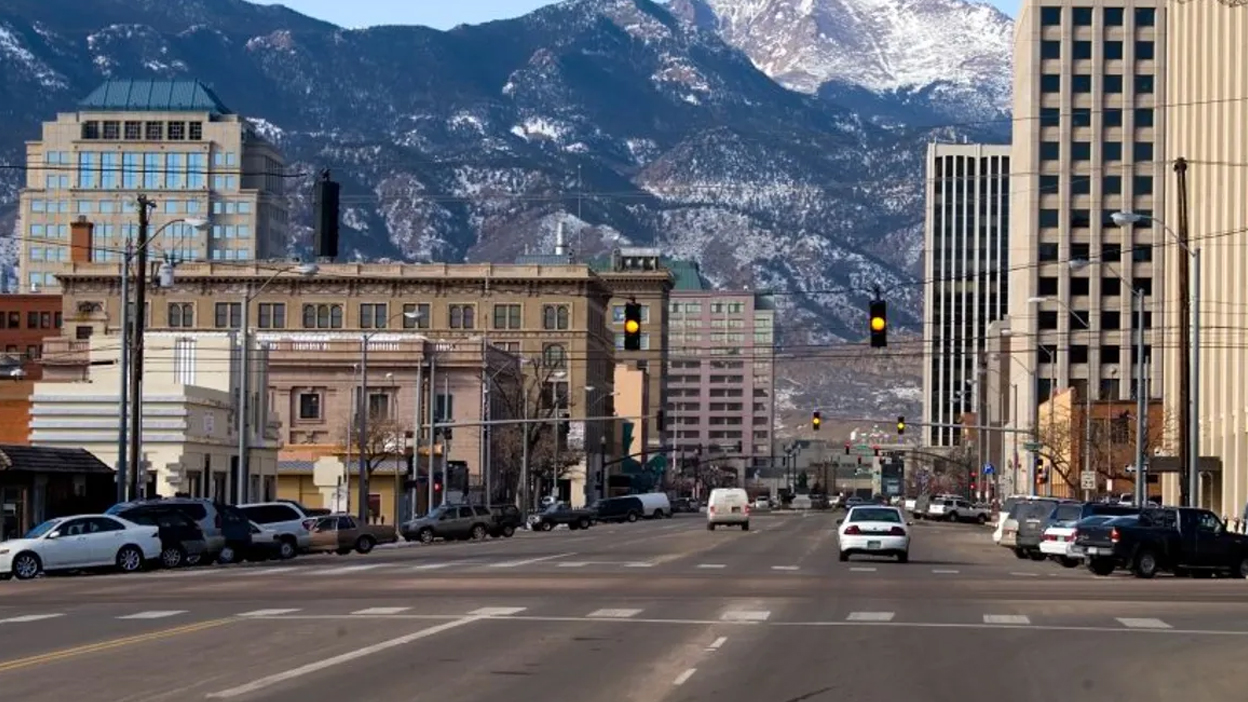
Daily life in Colorado Springs blends a laid-back calm with active energy, largely shaped by the city’s proximity to natural landmarks like Garden of the Gods and Pikes Peak. This closeness to accessible mountains and trails influences how residents organize their days. A typical weekday often involves balancing work or errands with opportunities for short outdoor breaks. Many people incorporate walks along nearby paths or quick hikes into their lunch hours or after-work time, weaving nature into the routine.
On weekends, the rhythm usually shifts to more extended outdoor recreation or community events such as summer concerts or neighborhood gatherings. The suburban neighborhoods often oscillate between peaceful stillness on quiet streets and bursts of physical activity as families and outdoor lovers head to parks, trails, or local events. This alternating pace suits those who prioritize a lifestyle closely tied to nature and active living.
However, the balance is not without challenges. Municipal budget constraints projected for 2026 will affect city maintenance and public services, potentially interrupting routines that depend on well-kept parks, trails, and community facilities. These strains mean some living pros and cons hinge on how city infrastructure manages during financially tight periods.
The Social and Community Atmosphere
Key to understanding is Colorado Springs a good place to live is how the community shapes social life. The city is known for a tight-knit vibe among outdoor enthusiasts and nature lovers. Many informal meetups, hiking groups, and trail networks help foster connections. Neighborhoods like Briargate and Rockrimmon, with family-friendly designs and easy access to green spaces, naturally draw residents who share interests in outdoor activities.
The city appeals to those balancing family-oriented, relaxed living with consistent opportunities for physical engagement and participation in community events such as neighborhood concerts or outdoor festivals. Its community mix, including stable military residencies, modern suburban developments, and walkable historic neighborhoods like Old North End, offers a diverse but harmonious environment for professionals, creatives, and families alike.
Those who value integration of work and outdoor lifestyle, and who appreciate a social fabric woven with shared interests in nature-oriented pursuits, often report that Colorado Springs aligns well with their daily needs and personality.
Who Might Struggle Living in Colorado Springs
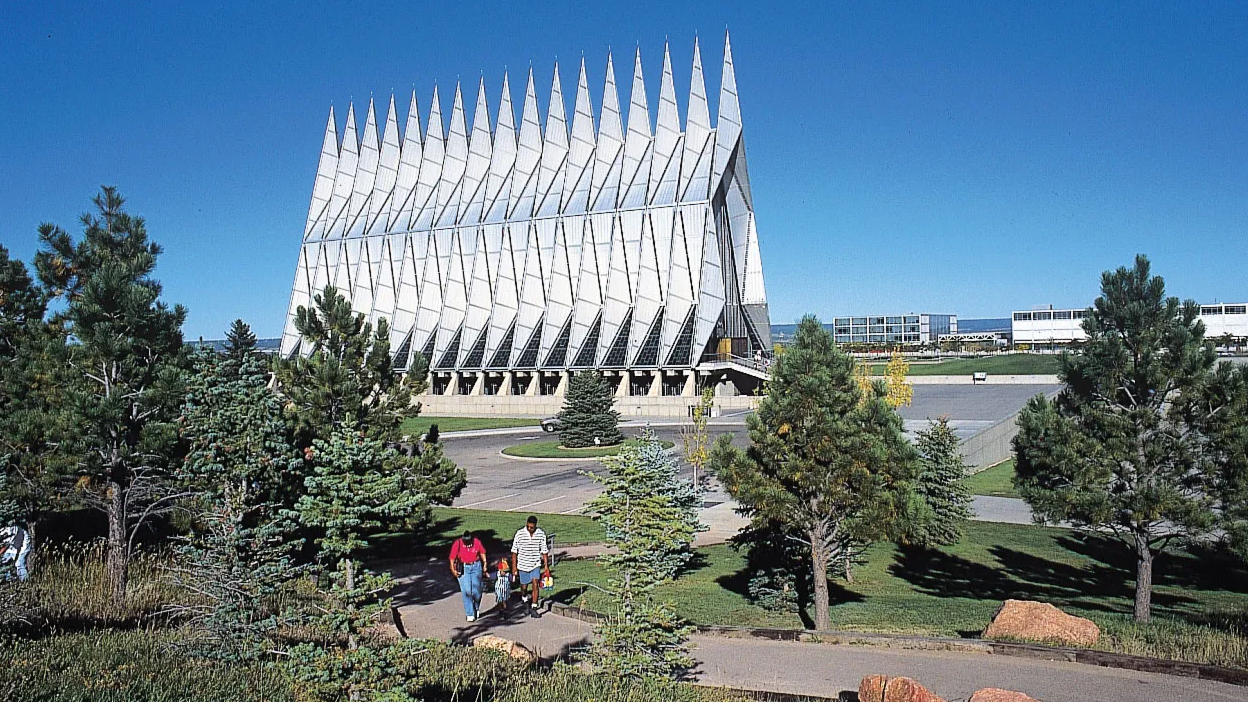
Conversely, people seeking an intense urban nightlife or dense cultural scenes centered indoors may find Colorado Springs limiting. The city’s spread-out layout and emphasis on outdoor living mean that vigorous city energy and tightly packed urban experiences are not predominant.
Those accustomed to fast-paced, densely connected urban environments might face challenges in Colorado Springs, where higher transportation demands and geographic stretches shape daily life differently. Sensitivity to seasonal weather swings and wage disparities, especially among service workers facing housing access limitations, can further complicate adaptation.
Additionally, municipal budget shortfalls projected for 2026 risk service disruptions, potentially affecting those who rely heavily on public infrastructure for convenience and daily life consistency.
Conclusion
Answering is Colorado Springs a good place to live depends on a reflective assessment of one’s priorities. Access to nature, the rhythm of daily life, community engagement, and tolerance for environmental and economic factors all combine to shape how well the city fits individual needs.
Understanding these dynamics—how Colorado Springs balances outdoor access with suburban calm, work demands with recreational opportunities, and community variety with economic challenges—is essential. The true measure of living pros and cons lies in aligning personal lifestyle with the city’s distinctive character rather than relying on generalizations.
Appreciating this nuanced fit can guide thoughtful decisions about life in Colorado Springs, grounded in real experience rather than broad claims.