When considering moving to New Mexico, it is essential to understand the broad, factual statewide realities that shape life across its diverse regions. This article focuses on things to know before moving to New Mexico beyond individual city experiences or lifestyle stories. It offers an objective overview of the state’s geography, climate, economy, infrastructure, cultural characteristics, and financial factors.
This guide is intended for readers researching relocation options before deciding where in New Mexico to move. By providing a comprehensive understanding of statewide conditions, it equips prospective residents to make informed decisions aligned with their priorities and expectations.
Geographic and Regional Differences Within New Mexico
New Mexico’s geography is highly varied and plays a crucial role in shaping living conditions. Understanding the state’s major geographic zones and their distinct characteristics is fundamental among things to know before moving to New Mexico.
Major Geographic Zones and Elevation Variation
The state encompasses several geographic regions:
- Mountain ranges including the Sangre de Cristo Mountains, part of the Rocky Mountains in the north; the Zuni Mountains and Mt. Taylor in the west.
- High desert mesas and stretches of the Colorado Plateau covering much of the northwest.
- River valleys, most notably the Rio Grande corridor running north-south through central New Mexico.
- Arid plains and desert areas, especially in the eastern and southern parts.
- The influence of the Chihuahuan Desert in the southern low elevations.
Elevation varies dramatically from about 2,800 feet at Red Bluff Reservoir in the southern Rio Grande Valley to over 13,000 feet at Wheeler Peak in northern New Mexico. This nearly 11,000-foot range leads to multiple distinct climate zones. Temperature typically declines by approximately 3 to 5 degrees Fahrenheit per 1,000 feet of elevation gain, resulting in stark differences in weather and vegetation even within short distances. For example, locations 15 miles apart but differing by 4,700 feet in elevation can experience mean annual temperatures varying by over 16°F.
Impact on Vegetation, Climate, and Settlement
Higher elevations experience cooler temperatures, greater precipitation—often as snowfall—and forested landscapes. Conversely, low-lying desert and plains areas are hotter, drier, and dominated by shrubland or desert vegetation. These geographic distinctions influence where populations settle; dense urban and agricultural development concentrates along river valleys like the Rio Grande, where water is more available, while mountain and desert regions have sparser settlements.
Rain Shadow and Precipitation Variability
The state experiences a prominent “rain shadow” effect caused by mountain ranges blocking moisture-bearing weather systems traveling from the Pacific Ocean and Gulf of Mexico. As moist air rises over western mountains, it loses moisture, leaving eastern low-lying areas particularly dry. This effect causes wide regional variation in precipitation, with some areas receiving less than 12 inches annually.
Environmental Risks Associated With Geography
Geographic and climate factors combine to create several environmental risks:
- Drought is a persistent concern due to the semi-arid and variable precipitation patterns.
- Wildfire risk is elevated especially in forested mountain regions where dry conditions and vegetation create combustible environments.
- Flash flooding can occur during intense rainfall events, particularly in steep or erosion-prone areas.
- Soil instability and erosion are issues in arid regions, including the potential for sand dune reactivation amid desertification processes.
The Rio Grande corridor remains not only the state’s crucial water source but also key to social and economic centers.
Urban vs Rural and Regional Living Patterns
Recognizing the state’s urban-rural divide is vital in moving to New Mexico given its implications on lifestyle, services, and infrastructure.
Urban Centers
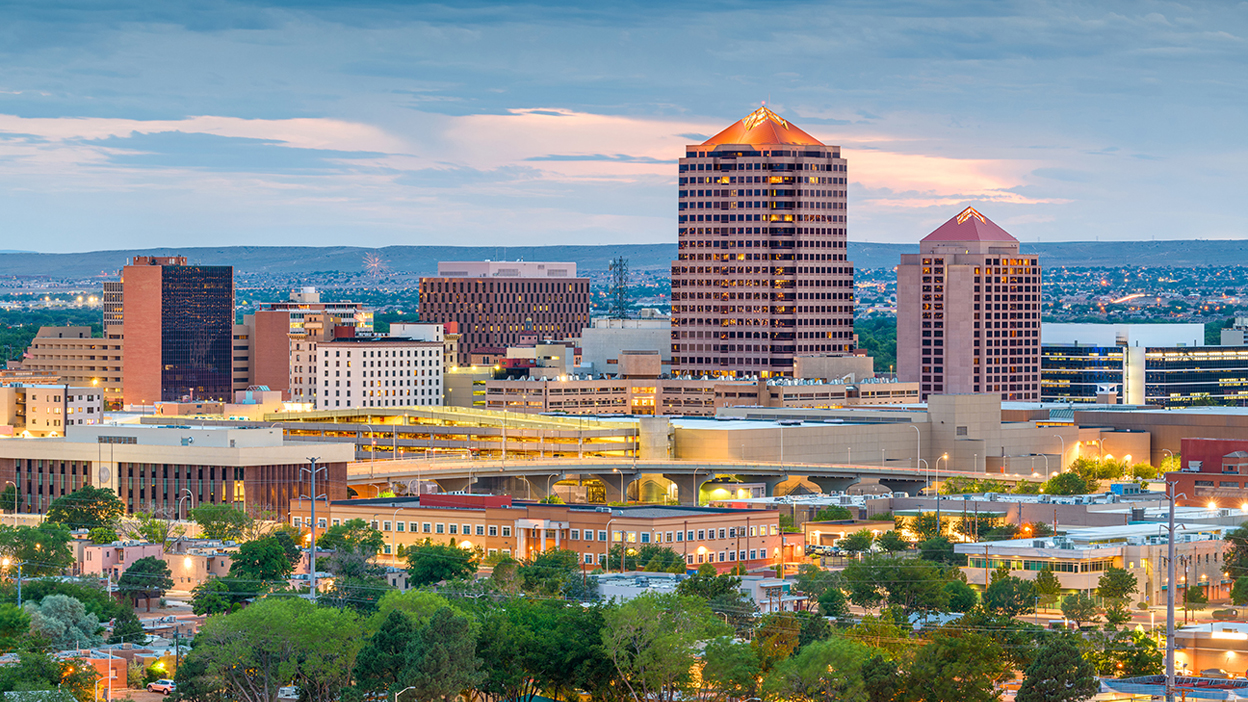
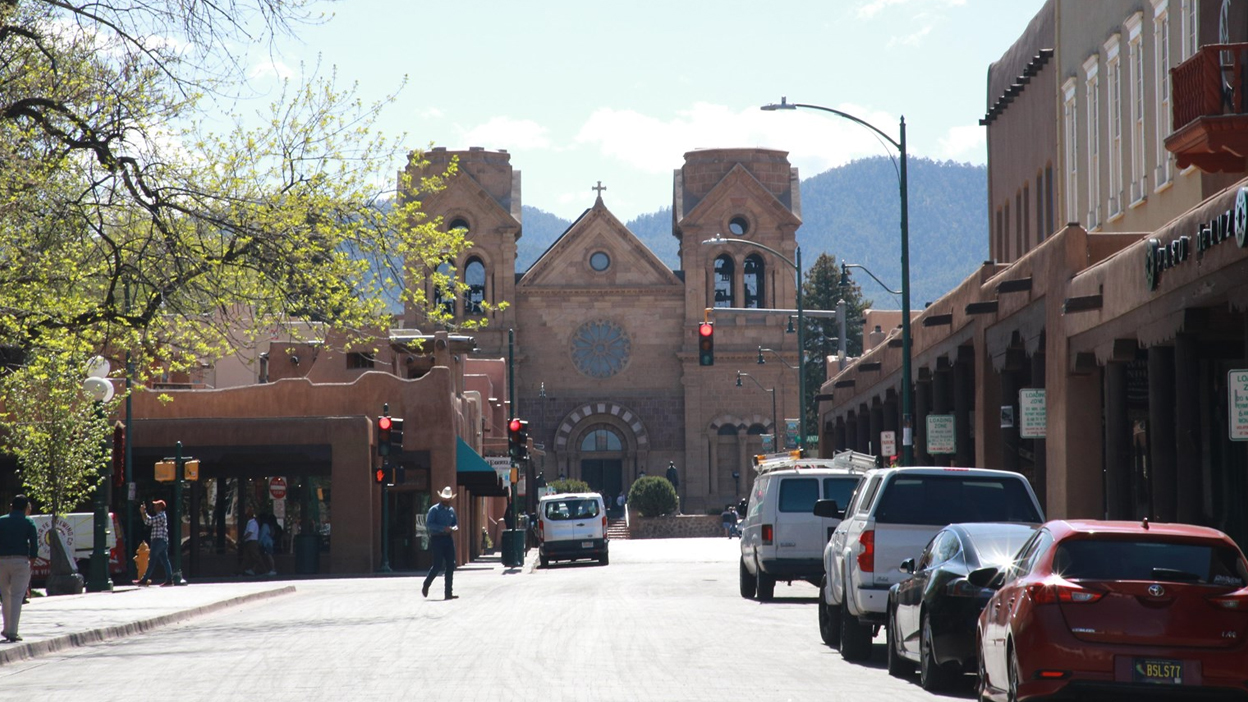
New Mexico’s major population hubs are Albuquerque, the largest metropolitan area, and Santa Fe, the state capital and cultural nucleus. These urban centers have denser populations, more extensive infrastructure, and broader access to healthcare, education, utilities, and emergency services.
Rural and Tribal Areas
Outside these centers, much of New Mexico consists of vast rural landscapes, including significant tribal lands governed by Native American authorities with unique laws and land-use regulations. These regions have lower population density and more limited access to services. Public transportation is sparse or non-existent, increasing reliance on personal vehicles. Healthcare and educational facilities are often distant, affecting accessibility.
Cultural, Social, and Lifestyle Norms
New Mexico’s rich cultural fabric forms a foundational context for those moving to New Mexico, distinct from urban experiences alone.
Demographic Composition
The state has a large Hispanic population alongside significant Native American communities. These groups contribute to widespread bilingualism and cultural diversity statewide.
Southwest Cultural Heritage
New Mexico reflects a blend of:
- Indigenous traditions preserved and maintained on tribal lands and in arts.
- Hispanic influences from Spanish colonial history manifest in architecture, cuisine, and festivals.
- Modern Southwest identity with vibrant arts and cultural communities, particularly around Santa Fe.
Lifestyle Patterns
- Outdoor recreation opportunities are abundant including hiking, skiing, camping, and more.
- Cultural events and artistic engagement are widespread.
- Traditions rooted in the state’s Indigenous and Hispanic heritage influence social life and community organization.
This cultural and social structure guides the broader experience of living in New Mexico beyond individual preferences.
Taxes, Regulations, and Long-Term Planning Factors
Tax and regulatory frameworks are among critical things to know before moving to New Mexico for informed financial and legal planning.
Tax Environment
- State income tax applies to residents.
- Sales and local taxes vary moderately.
- Property taxes are generally low due to affordable property values.
Environmental and Land Use Regulations
- Water management laws govern usage amidst scarcity concerns.
- Wildfire mitigation rules, including defensible space requirements, are increasingly enforced.
- Land use controls vary, especially with tribal trust lands operating under separate jurisdiction.
- County-level zoning regulations range from minimal rural restrictions to more stringent urban planning.
Insurance Considerations
Homeowners’ insurance is required by lenders, with premiums reflecting wildfire exposure, climate conditions, and building characteristics.
Who New Mexico Is Generally a Good Fit For
New Mexico aligns well with specific demographic and professional groups:
- Retirees seeking affordable living, favorable climate, and outdoor recreation.
- Energy sector professionals employed in oil, gas, solar, wind industries.
- Government and military employees associated with federal bases and labs.
- Creative professionals and artists attracted to vibrant Southwest cultural communities.
- Individuals valuing cultural diversity and heritage unique to the Southwest region.
These groups typically find New Mexico’s statewide conditions supportive of their priorities and lifestyle preferences.
Who Should Research Further Before Moving
Some prospective movers require additional targeted research before committing to relocation due to specific needs:
- Families focused on education quality, given significant variability across districts.
- Job seekers in specialized fields outside the state’s dominant industries.
- People sensitive to dry, arid climates or those needing reliable public transportation.
- Individuals requiring access to specialized healthcare or extensive amenities.
- Residents concerned about wildfire risk, water scarcity, and regulatory complexities, especially on tribal or conservation lands.
Detailed city- or county-level investigation of employment, schools, healthcare, climate, and local services is advised to complement statewide information.
Conclusion
Understanding the full spectrum of geographic, economic, climatic, cultural, and regulatory realities is essential among the things to know before moving to New Mexico. This comprehensive statewide knowledge allows prospective residents to assess how varying elevations, weather patterns, urban-rural divides, and cultural contexts impact daily living and long-term planning. Careful evaluation of these objective factors supports informed decisions tailored to individual priorities.
Moving to New Mexico offers distinctive opportunities shaped by its Southwest environment and demographic diversity, but also requires preparation for unique challenges stemming from its geography, climate, infrastructure, and economic landscape. Thorough research and financial planning based on these statewide characteristics will optimize relocation outcomes and facilitate a successful transition to life in New Mexico.