Relocating to a new state requires a thorough understanding of its broad realities before narrowing down to specific cities or towns. This article outlines essential things to know before moving to Vermont, offering a detailed, factual overview of the state’s geography, economy, infrastructure, and lifestyle.
Vermont’s distinctive features include its geographic diversity, an elevated Vermont cost of living compared to the national average, and classic rural New England characteristics affecting climate, infrastructure, and day-to-day living. This high-level examination equips prospective movers with the practical knowledge necessary to assess Vermont’s fit without focusing on one locality.
Geographic and Regional Differences Within Vermont
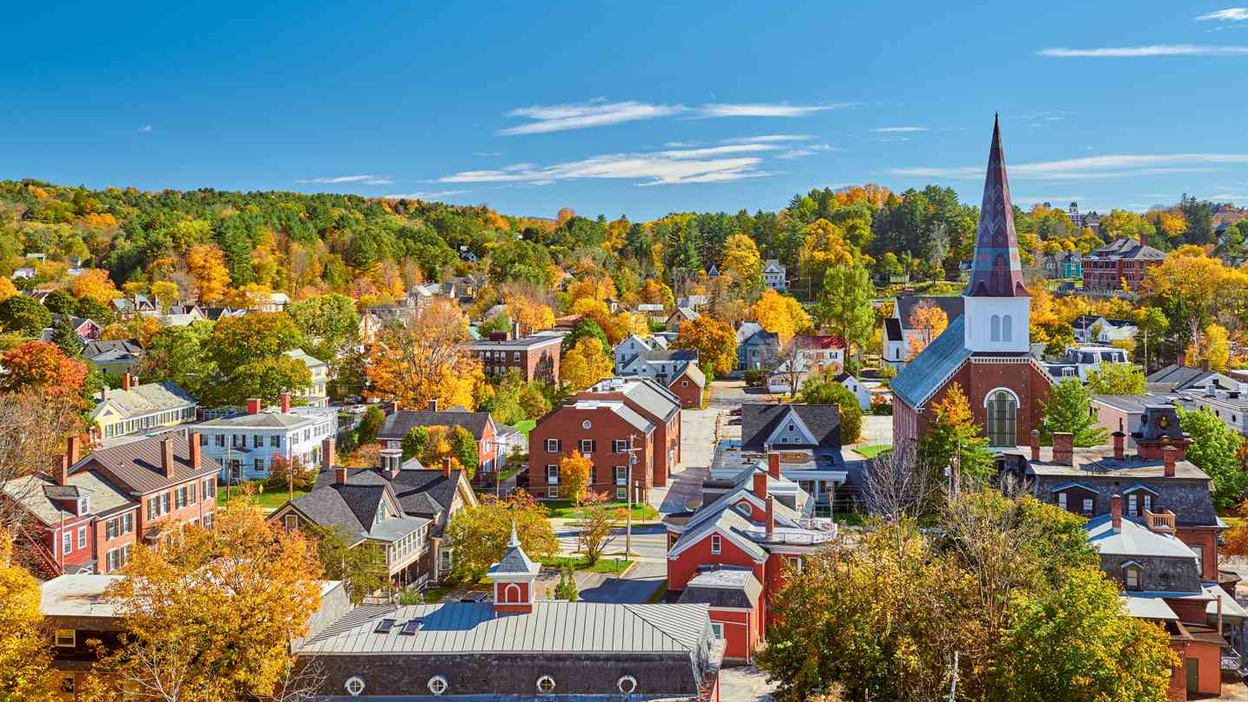
Vermont’s landscape is divided into four primary geographic regions, each shaping local climate, population distribution, and living conditions.
The Four Major Regions
- Green Mountains: The state’s central mountainous spine reaches elevations up to 4,393 feet. This area experiences cooler microclimates and heavy snowfall, often exceeding 100 inches annually. The rugged terrain limits development and infrastructure.
- Champlain Valley: Situated in northwestern Vermont along the shores of Lake Champlain, this region lies at lower elevations with milder temperatures. Fertile soils create favorable agricultural conditions and support more extensive population centers.
- Northeast Kingdom: Located in the remote northeastern highlands, this region features rugged terrain and harsher winters. It’s sparsely populated, reflecting limitations on development and access.
- Connecticut River Valley: Along Vermont’s eastern border, rolling hills and a river-influenced moderated climate characterize this region. It supports agriculture and smaller communities.
Elevation and Climate Variations
Vermont’s elevation ranges from near sea level in valleys to over 4,000 feet in the mountains, creating distinct climate zones:
- Lowlands: Humid continental climate with warm summers and cold winters.
- Highlands: Subarctic-like conditions with longer, harsher winters and greater snowfall.
These differing climates influence heating needs, road maintenance, and emergency services availability across regions.
Population Distribution and Environmental Risks
Most of Vermont’s population clusters in flatter, more accessible areas like the Champlain Valley and river valleys because these areas support larger developments and better infrastructure.
In mountainous parts like the Green Mountains and Northeast Kingdom, population density remains low—often fewer than 50 residents per square mile—due to limited flat land and challenging access.
Geography also drives environmental risks statewide:
- Heavy snowstorms frequently isolate mountain roads.
- Ice storms cause widespread power outages.
- Seasonal flooding in valleys occurs from spring thaws or tropical storm remnants.
Vermont cost of living and lifestyle adapt to these geographic constraints and environmental factors.
Urban vs. Rural and Regional Living Patterns
Understanding rural New England Vermont requires recognizing the marked differences between its urban centers and rural surroundings.
Rural Dominance with Urban Clusters
- Over 65% of Vermont’s land is rural.
- Approximately 35% is designated as urban.
- The state includes more than 250 incorporated towns, with average populations around 1,000.
Urban Characteristics
Urban hubs such as Burlington in the Champlain Valley offer:
- Walkable downtown areas.
- Access to cultural venues and healthcare facilities.
- Reliable broadband internet.
- Consistent access to grocery chains and public services.
Rural Realities
Rural towns and villages underscore Vermont’s rural New England character:
- Infrastructure is limited, with spotty cell coverage.
- Emergency services often depend on volunteers.
- Residents rely on local general stores or must travel significant distances for essentials.
- Internet access gaps affect about 15% of homes, mostly in rural areas.
Infrastructure and Zoning
Statewide low-density zoning aims to preserve open space and rural aesthetics. This results in:
- Quiet, spread-out housing patterns in rural areas.
- Modest density increases in urban centers, but no large-scale urban sprawl.
- Greater reliance on self-sufficiency for heating and transportation in the countryside.
These factors influence daily life and costs differently across regions, a key thing to know before moving to Vermont.
Cultural, Social, and Lifestyle Norms
Vermont’s demographic and cultural features reflect its rural character and strong local identities.
Demographics
- Population approximately 650,000.
- Median age is 43 years.
- Over 20% of residents are aged 65 and older.
- Population density is roughly 68 people per square mile.
- About 70% of the population resides in rural areas.
Cultural Values
- Strong emphasis on environmental stewardship, highlighted by state goals to reach 90% renewable energy.
- Local governance practiced through town meetings fosters civic engagement.
- A farm-to-table culinary tradition predominates, supporting local agriculture.
Lifestyle and Recreation
- Rural New England ethos centers on self-reliance and community.
- Over 500,000 acres of public land provide ample outdoor recreation: hiking, skiing, fishing, and more.
- Community events such as local suppers, volunteerism, and seasonal festivals reinforce social bonds.
These cultural and lifestyle norms are core things to know before moving to Vermont, offering insight into community expectations and daily living.
Taxes, Regulations, and Long-Term Planning Factors
State tax and regulatory regimes in Vermont play significant roles in cost and land use.
Tax Structure
- Progressive income tax ranging from 3.35% to 8.75%.
- Property taxes ranking among the nation’s highest with an effective rate near 1.83%.
- Sales tax set at 6%, with most food items exempted.
Regulatory Environment
- Act 250 enforces land use permitting to conserve rural landscape and environment.
- Stringent zoning codes maintain rural character, including minimum 5-acre lots in non-urban areas.
- Billboards are banned statewide to preserve scenic quality.
- Wetlands and environmental buffer zones are heavily regulated.
Insurance and Building Codes
- Flood insurance is mandatory in approximately one-fifth of flood-prone areas.
- Premiums are elevated for buildings in snowy mountain zones.
- Construction standards include requirements for insulation, roofing snow load, and foundation elevation.
Taxes and regulatory conditions impact housing affordability and development potential, representing key Vermont cost of living considerations.
Who Vermont Is Generally a Good Fit For
Several demographic groups align well with Vermont’s statewide profile.
- Retirees: Seeking low-crime, peaceful environments surrounded by nature.
- Outdoor Enthusiasts: Attracted to year-round recreational opportunities on vast public lands.
- Agricultural Producers and Small Business Owners: Leveraging local markets and integration within tight-knit communities.
- Families: Valuing environmental quality and community-oriented rural living over the conveniences of urban centers.
This alignment highlights core things to know before moving to Vermont about lifestyle compatibility.
Who Should Research Further Before Moving
Certain populations require deeper investigation and localized analysis before deciding on Vermont relocation.
- Individuals dependent on public transit face challenges since it is almost entirely unavailable outside Burlington.
- Job seekers in specialized sectors such as finance or advanced technology may find limited opportunities away from urban hubs.
- Families seeking top-rated urban schools and extensive healthcare networks need to assess urban versus rural trade-offs.
- Those sensitive to cost variations must analyze regional differences like Champlain Valley’s higher expenses compared to the Northeast Kingdom’s relative isolation.
Prospective residents should drill down to county or city-level data as a vital pre-move step in moving to Vermont.
Conclusion
Comprehending Vermont’s statewide realities—including its rural New England characteristics, elevated Vermont cost of living, geographic and climate-driven environmental risks, and infrastructure limitations—is essential before focusing on specific cities or towns.
This article provides foundational things to know before moving to Vermont, equipping readers with a critical high-level understanding that promotes informed, detailed subsequent research.
Use this comprehensive overview as your essential first step in planning a potential relocation to Vermont.