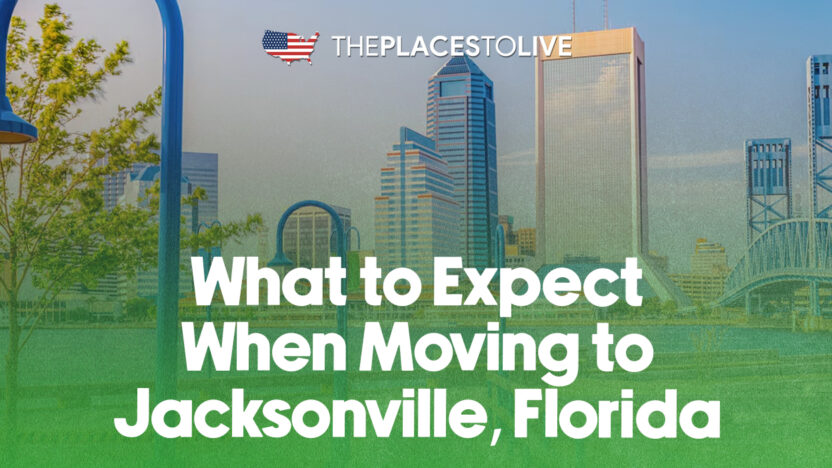
Moving to Jacksonville brings a set of unique experiences that do not always match first impressions. If you’re wondering what to expect when moving to Jacksonville, this guide offers a detailed look at the adjustment journey many newcomers face. The city’s sprawling size, diverse neighborhoods, and distinct characteristics create a transition that shapes your early lifestyle and influences how you experience living in Jacksonville.
Understanding the phases and realities of settling in helps you prepare for the surprises, challenges, and opportunities ahead. From the sensory first weeks to building routines and social connections, this article explains what you will encounter and how to navigate the process smoothly.
The First Weeks: Initial Impressions and Reality Checks

When you first arrive, what stands out immediately is Jacksonville’s warm subtropical climate. The humidity and sunshine influence daily life in ways newcomers don’t always anticipate. Beyond the weather, the atmosphere can change dramatically depending on where you are within the city’s expanse.
Downtown Jacksonville is reviving with new developments and a growing sense of activity. Commercial hubs like Southside pulse with busy restaurants, offices, and shopping centers. Meanwhile, quieter residential neighborhoods offer a more suburban or coastal vibe, making Jacksonville a patchwork of very different environments.
An early reality check comes with transportation. Unlike cities with extensive public transit, Jacksonville’s limited bus routes and a modest Skyway monorail system cover only small parts of the city. For this reason, moving to Jacksonville usually means owning a car is essential. The St. Johns River also shapes your experience—the waterway splits neighborhoods in ways that affect daily travel and errands.
With over 840 square miles to navigate, moving around Jacksonville requires time to learn. Many newcomers find that even simple trips to grocery stores or friends’ homes can reveal unexpected distances and traffic patterns. The city grows and evolves quickly, with new construction and infrastructure changes happening simultaneously, which can feel disorienting in the first days of living in Jacksonville.
Adjusting to Daily Routines
Establishing a solid daily routine is vital when living in Jacksonville. Because car travel is the default, understanding the major roadways, alternative routes, and commute times will save you time and frustration. Depending on your neighborhood—whether you live near the beaches, in Southside, or inland—the travel landscape can vary widely.
Administrative tasks also demand attention early on. Within the first 30 days, newcomers must handle several key formalities:
- Registering vehicles and obtaining Duval County license plates
- Updating driver’s licenses to Florida credentials
- Setting up utilities such as electricity and water through JEA
These procedures provide both a legal foundation and an informal orientation to Jacksonville’s service frameworks. They often mark tangible milestones in the journey from visitor to resident.
Rather than seeing settling as a destination, view it as an ongoing adjustment, shaped by your evolving relationship with Jacksonville’s geography, community, and lifestyle.
What Helps the Transition Feel Easier

To smooth the moving to Jacksonville transition, establishing consistent daily routines early is crucial. Simple habits—regular grocery shopping days, a reliable work commute, and scheduled neighborhood walks—create a stabilizing sense of order amid Jacksonville’s vast and changing environment.
Ensuring critical administrative tasks are completed within required timeframes also grounds you in the community. Registering your vehicle, updating your license, and setting up utilities legally and efficiently not only prevent stress but foster a sense of belonging and legitimacy.
Realistic expectations help temper frustration. Accept that Jacksonville’s sprawl demands car ownership and patient driving, that the city evolves rapidly with ongoing construction and traffic shifts, and that adjustment takes longer than a few weeks. Viewing these realities as ongoing characteristics rather than problems reduces tension.
Socially, proactive engagement accelerates integration. Attend local events, join community groups, and explore Jacksonville’s dining and cultural venues. Choosing neighborhoods with built-in community features—such as Nocatee’s family-centered lifestyle or Neptune Beach’s active local scene—can speed up finding your social footing.
Finally, practice patience. Everyone’s adjustment timeline is unique. Framing the early months as an opportunity to actively shape your life in Jacksonville, rather than a hurdle to clear quickly, empowers you to build a meaningful connection on your own terms.
Conclusion
Feeling unsettled, surprised, or emotionally uncertain in your early days after moving to Jacksonville is a natural and predictable experience. The city’s sprawling, multifaceted nature means your first impressions will evolve as you explore its neighborhoods, take care of practicalities, and foster relationships.
Your individual timeline for feeling settled in Jacksonville is valid and shaped by your unique context—social networks, work environment, and personality all play roles. Instead of rushing to feel at home, allow your experience to unfold gradually.
Living in Jacksonville is not a quick transition but an unfolding partnership between you and the city. The sensory surprises, logistical challenges, and social discoveries of your early months blend over time into a deeper, more authentic sense of belonging. Understanding what to expect when moving to Jacksonville empowers you to embrace this journey with confidence and clarity.