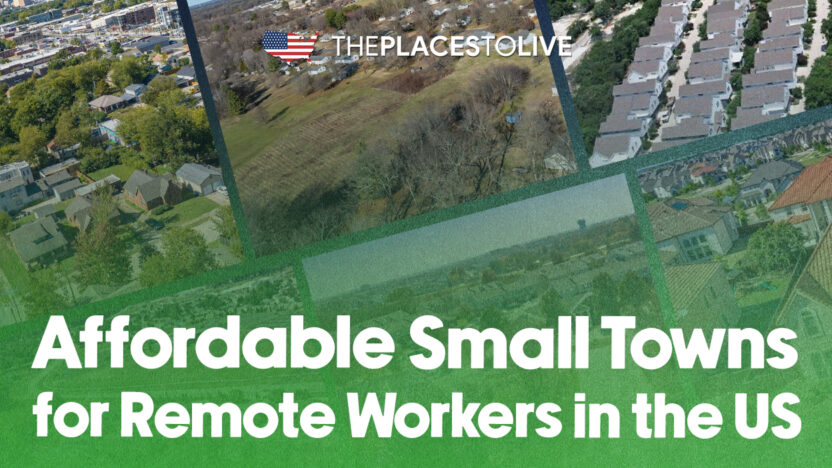
10 Most Affordable Small Towns for Remote Workers in the US: Your Ultimate Guide
Remote work has changed the way many professionals live and work. It means the ability to perform your job duties outside a traditional office setting, increasingly made possible by advances in technology and reliable internet connections. More people in the US are embracing this shift, choosing to untether themselves from crowded cities and sprawling metropolitan areas.
This change has led many remote workers and digital nomads to look for affordable small towns as their new home bases. These budget-friendly small towns offer lower costs of living along with a better quality of life—peaceful surroundings, access to nature, and welcoming communities.
This article explores the 10 most affordable small towns for remote workers in the US, highlighting places that combine cost savings with lifestyle advantages. Whether you’re seeking cheap small towns for digital nomads or budget-friendly small towns for remote workers, this detailed guide will help you find the best spots to live and thrive with a remote job.
Reasons Why You Need Affordable Small Towns for Remote Work
The search for affordable small towns for remote workers often starts with the need to save money. Housing in big cities is expensive, with median home prices and rents far exceeding those in smaller towns and rural areas. For example, while a large urban area may have median home prices above $400,000, some affordable towns often boast prices under $200,000, making homeownership or renting much more feasible. This is crucial for remote workers managing budgets while earning salaries that might be lower than metro market rates.
Beyond cost savings, affordable small towns for remote workers offer a better work-life balance. Life is usually quieter and less hectic. These towns often sit near parks, lakes, or trails, providing easy access to nature which helps reduce stress and inspire creativity. The slower pace and fewer distractions enhance mental well-being—something city dwellers may miss.
Another vital benefit is the sense of community. Small towns foster close-knit relationships and social support networks that are hard to find in dense urban centers. Having neighbors, local events, and supportive businesses builds belongingness, which many remote workers value highly, especially when working remotely can feel isolating.
Finally, affordable small towns typically offer an improved overall quality of life. Crime rates tend to be lower, amenities are affordable, and traffic congestion is practically nonexistent. This combination promotes safer, healthier living environments, which remote workers and digital nomads seek when balancing productivity with personal fulfillment.
Overall, the appeal of low-cost rural areas for remote jobs lies in their holistic benefits—offering most affordable small towns for remote workers that nurture both economic and lifestyle goals.
For more on the benefits of affordable living and quality of life in smaller communities, see our guide to 10 Best Small Towns to Live in the US.
Criteria for Choosing the Towns
To identify the most affordable small towns for remote workers, several criteria were carefully considered to ensure a comprehensive, practical approach:
Housing Affordability
We evaluated median home prices and median rents — key metrics that directly impact monthly budgets. Remote workers particularly benefit from affordable housing because it helps stretch savings and reduces financial pressure that often comes with city living.
Internet and Technological Infrastructure
Reliable high-speed internet is non-negotiable for remote jobs. Towns with incentivized remote worker programs often invest heavily in broadband infrastructure. This includes fiber-optic coverage, gig-speed internet availability, and multiple internet service providers (ISPs), ensuring remote professionals stay connected without interruption.
Local Economy and Job Market
A welcoming economy means not only incentives for remote workers but also available freelance opportunities, coworking spaces, and networking events. Towns with growing tech scenes or small business-friendly environments help sustain digital nomads and home-based professionals.
Climate and Weather
Comfortable living year-round matters. We favored towns with moderate temperatures or climates conducive to outdoor activities, so remote workers can enjoy active lifestyles regardless of season.
Access to Education, Healthcare, and Essential Services
Long-term residents need quality schools, community colleges, hospitals, and everyday services within easy reach. These elements contribute to stability and convenience for families or individuals planning to settle.
Safety, Community Spirit, and Amenities
Safety rankings, community engagement, and amenities such as libraries, coworking hubs, arts venues, and cafes round out an ideal remote work environment. Feeling welcomed and having social outlets enhance satisfaction and reduce isolation.
By combining these factors, we curated a list of budget-friendly small towns for remote workers and cheap small towns for digital nomads that genuinely support sustainable remote lifestyles in low-cost rural areas for remote jobs.
For more on safety, community, and affordable small-town living, check out our article on 10 Safest Small Towns to Live in the US.
The 10 Most Affordable Small Towns for Remote Workers in the US
1. Tulsa, Oklahoma
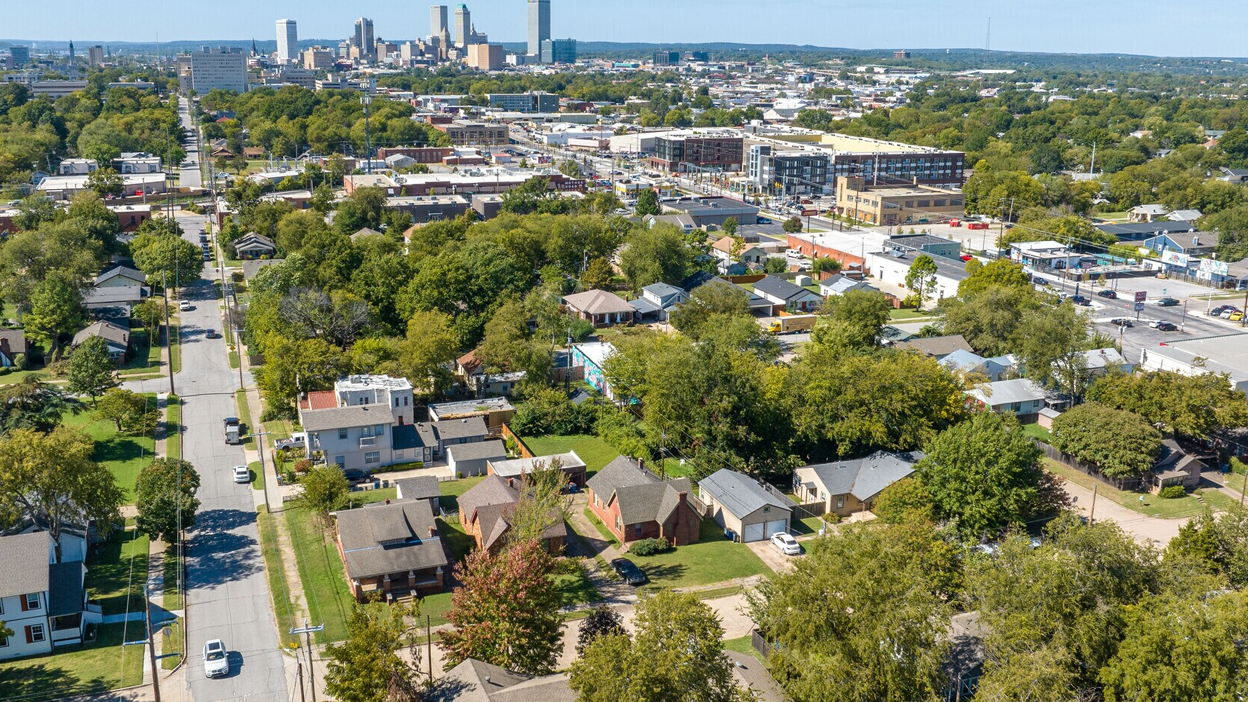
Tulsa pioneered remote work incentives with its Tulsa Remote program, offering stipends to newcomers. This city blends Art Deco charm with a lively arts scene and affordable living, attracting remote workers who want cultural amenities without the high costs of bigger cities.
- Population: ~411,000 — a manageable mid-sized city with a small-town feel.
- Median Home Price: ~$200,000, making it highly affordable relative to its amenities.
- Median Rent: ~$950 per month, providing budget-friendly housing options.
- Median Household Income: ~$54,000 — adequate to afford local living costs.
- Local Weather and Climate: Humid subtropical with hot summers and mild winters, suitable for year-round outdoor activities.
- Economy and Jobs: Low property taxes and strong demand for rentals create opportunities. The city supports remote workers with networking events and coworking spaces, fostering a connected professional community.
- Educational Opportunities: Home to multiple colleges and robust public schools enhancing family appeal.
- Ideal For: Professionals seeking community support, incentives, and urban amenities without city-level expenses.
- Known For: The Tulsa Remote incentive program offers $10,000 stipends, making it uniquely welcoming to remote workers.
Tulsa is a top pick among most affordable small towns for remote workers, pairing cultural vibrancy with budget-conscious living and excellent connectivity.
For more on cities with great tech infrastructure and quality of life, see 10 Best Cities for Remote Workers in the US.
9. Boise, Idaho
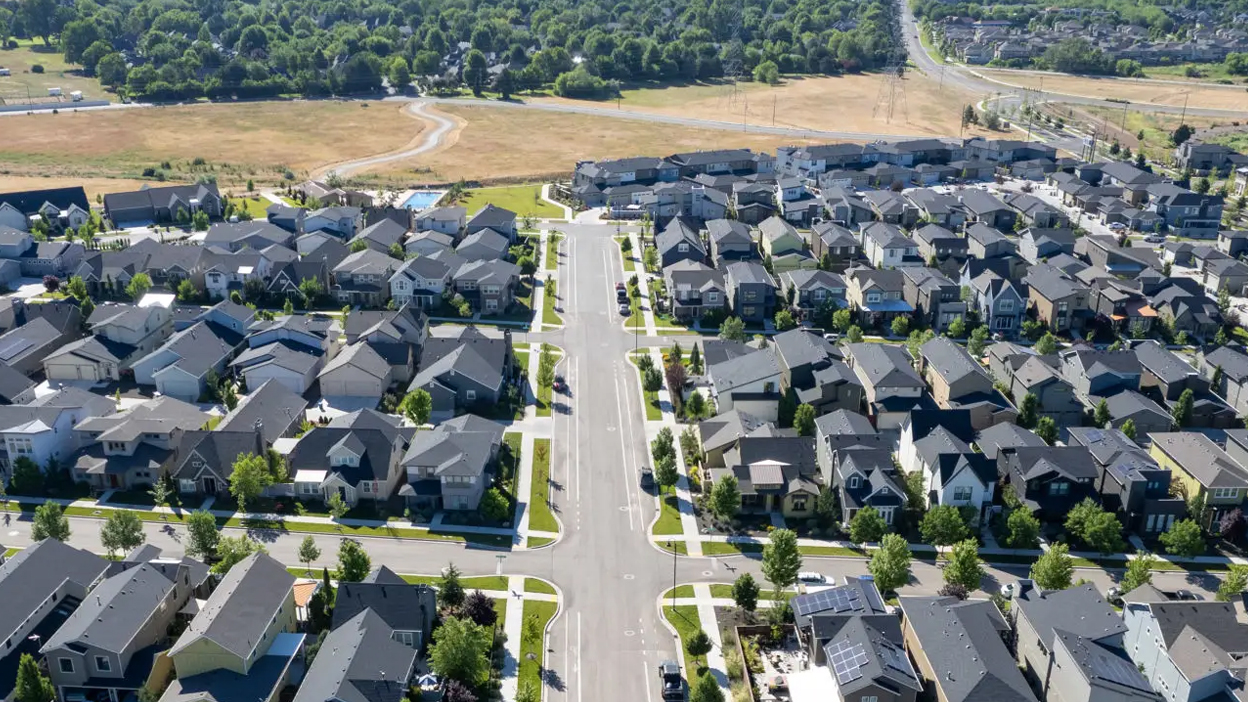
A clean, community-oriented city with a strong presence of tech jobs and outdoor activities.
- Population: ~240,000.
- Median Home Price: ~$410,000.
- Median Rent: ~$1,500 monthly.
- Median Household Income: ~$68,000.
- Local Weather and Climate: Dry summers and cold winters promote hiking, skiing, and other outdoor lifestyles.
- Economy and Jobs: Expanding tech sector offers remote-friendly work and entrepreneurial opportunities.
- Educational Opportunities: Home to Boise State University and other learning centers.
- Ideal For: Outdoor lovers and tech professionals seeking vibrant community life.
- Known For: Access to the Rocky Mountains and a growing remote work ecosystem.
Boise offers an attractive mix of natural beauty and digital job prospects despite higher prices, fitting many digital nomads and remote workers well.
Explore scenic and vibrant cities like Boise in 10 Most Scenic Cities to Live in the US.
10. Cary, North Carolina
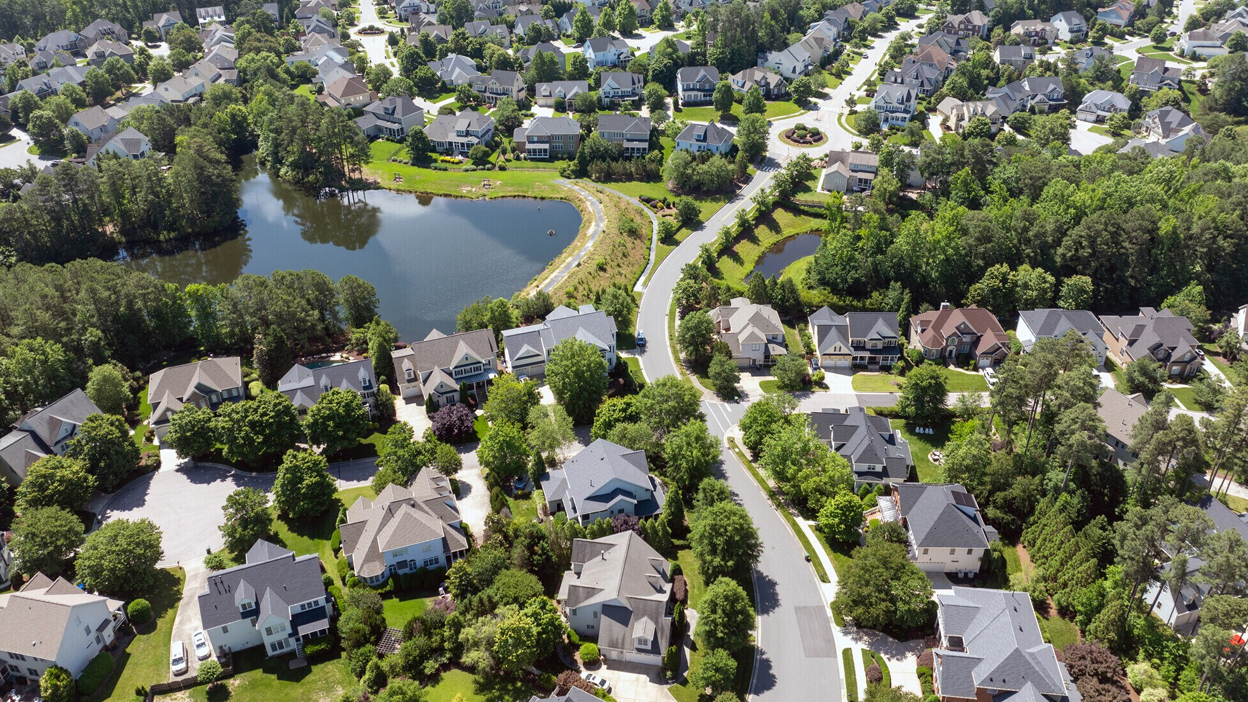
Suburban with top ratings for remote work adoption, Cary benefits from proximity to Raleigh and the Research Triangle’s tech hub.
- Population: ~180,000.
- Median Home Price: ~$500,000 — premium but matched by high incomes.
- Median Rent: ~$1,700 per month.
- Median Household Income: ~$110,000 — significantly above average.
- Local Weather and Climate: Mild winters with warm, humid summers favor year-round residence.
- Economy and Jobs: Booms due to Research Triangle proximity, offering plentiful remote tech roles.
- Educational Opportunities: Excellent public schools and nearby colleges for families and professionals alike.
- Ideal For: High-earning professionals in tech who need safe, supportive suburbs.
- Known For: High safety ratings and strong demand for remote work talent.
Cary is a top-tier budget-friendly small town for remote workers for those seeking stability, strong infrastructure, and family-friendly amenities despite a higher cost.
For more suburbs with great family-friendly infrastructure, see 10 Best Suburbs to Live in the US.
Frequently Asked Questions (FAQs)
What makes a small town affordable for remote workers?
Affordability in small towns primarily comes down to lower housing costs—both median home prices and rents. Additionally, utilities, groceries, transportation, and general expenses are significantly cheaper than metropolitan areas. Many towns actively attract remote workers through incentive programs, such as moving stipends or tax breaks, increasing overall affordability.
For more on affordable living, check out 10 Most Affordable Cities to Live in the US.
How can digital nomads find reliable internet in rural areas?
Many small towns have invested heavily in broadband to attract remote workers. Some, like Chattanooga, Tennessee, offer gig-speed internet, giving remote workers lightning-fast connections. Checking local internet service providers and visiting coworking spaces can ensure reliable connectivity before relocating.
For towns with superior tech infrastructure, see 10 Best Small Towns for Remote Workers in the US.
Are there communities or coworking spaces in these affordable towns?
Yes. Towns with remote worker incentives often develop coworking hubs, networking groups, and social events. These foster valuable interaction among digital professionals, aiding social connection and creative exchange important for remote work satisfaction.
For a list focused on work-friendly towns, visit 10 Best Cities for Remote Workers in the US.
What are the challenges of living in low-cost rural areas as a remote worker?
Challenges include fewer cultural amenities, limited industry diversity, and smaller professional networks. Remote workers may need to rely more on virtual communities or travel occasionally for events. However, these are often offset by affordability and lifestyle advantages.
For insights on peaceful and affordable small towns, see 10 Best Peaceful Places to Live in the US.
How do taxes and cost of living compare to major cities?
Small towns and many states with affordable small towns often have lower overall tax burdens and living costs. For example, Texas and Tennessee levy no state income tax, making cities like Frisco or Chattanooga particularly economical. Housing, food, and services tend to be much cheaper as well.
Learn more about tax advantages and cost of living in different states in 10 Best Places to Live in the US.
Conclusion
Choosing one of the most affordable small towns for remote workers delivers significant benefits: major cost savings, better work-life balance, and welcoming communities tuned to the needs of digital nomads and telecommuters.
These budget-friendly small towns for remote workers provide not just affordability but supportive environments with strong connectivity, educational opportunities, and quality of living.
If you’re considering a new chapter as a remote worker or digital nomad, seriously explore towns like Tulsa, Mayfield, or Chattanooga. Each offers a smart blend of savings, lifestyle, and remote work infrastructure designed to enhance productivity and happiness.
Start researching, visiting, and experiencing these towns to discover the ideal home base for your remote career success. Affordable small towns represent not only budget-friendly choices but gateways to thriving, balanced, and fulfilling remote lifestyles.
Explore the options, save wisely, and embrace the freedom and quality of life that comes with living in the most affordable small towns for remote workers in the US.