Moving to Detroit is more than just packing boxes and changing addresses. It represents a significant shift in urban experience and cultural rhythm. Detroit has undergone dynamic transformation, especially downtown, where new restaurants, bars, parks, and vibrant entertainment districts have reshaped the city’s pulse. For anyone moving to Detroit, the adjustment involves much more than logistics—it demands adapting to deeply diverse neighborhoods, each with its own distinct character and pace of life.
Understanding what to expect when moving to Detroit is essential because the city’s neighborhoods differ widely in atmosphere and daily life. From the walkable cultural hubs of Midtown to the vibrant Mexican heritage of Southwest Detroit’s Mexicantown, every area offers a unique slice of Detroit living. The first days and weeks can surprise newcomers with contrasts in urban form, social settings, and community identity. The adjustment phase after arrival, including syncing with local rhythms and forging connections, is as important as the move itself.
This guide explores what to expect when moving to Detroit, focusing on initial impressions, adjusting daily routines, social connection, emotional ups and downs, timeline to feel settled, and helpful strategies for easing the transition. It aims to prepare newcomers for the realities and richness of living in Detroit’s varied urban landscape.
The First Weeks – Initial Impressions and Reality Checks
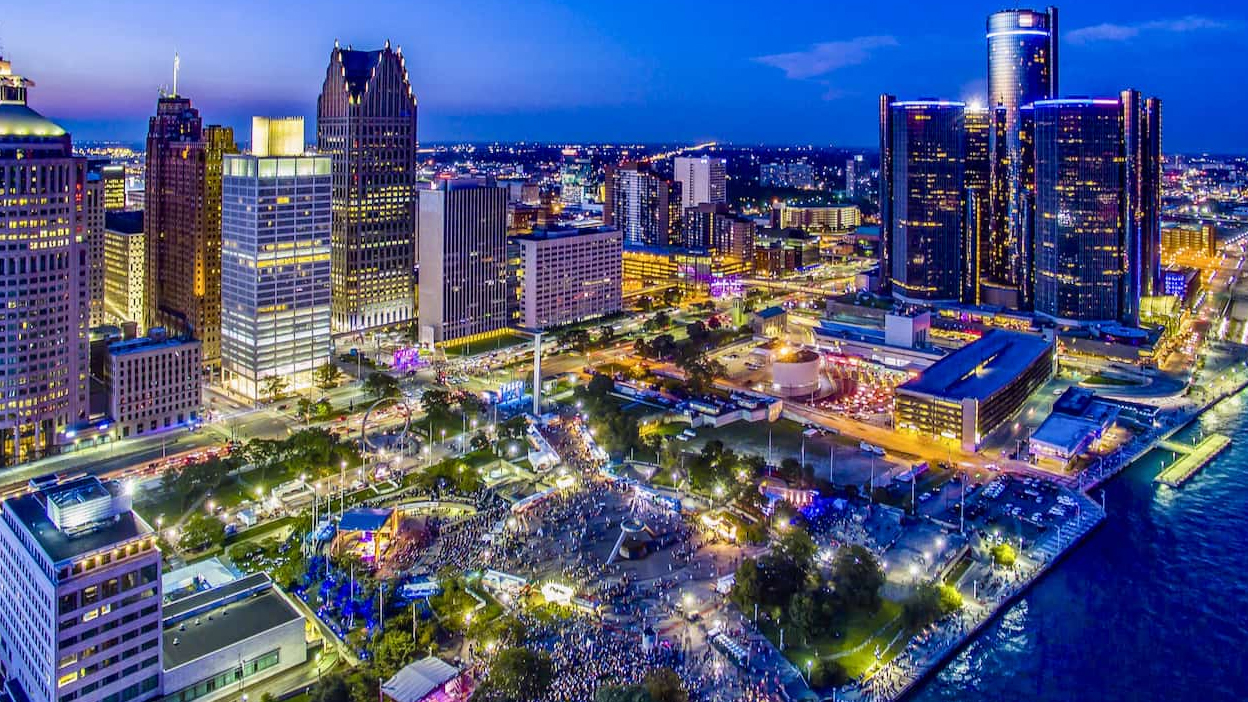
When moving to Detroit, one of the first things that strikes newcomers is the sensory change. The pace of life, ambient noise, and urban density shift noticeably depending on location. Detroit blends walkable neighborhoods with areas that feel more spread out. This variation affects how newcomers perceive their environment day to day.
Detroit’s neighborhoods do not present a singular city feel. Instead, they show sharp contrasts. Midtown, anchored by Wayne State University and the Detroit Institute of Arts, offers a pedestrian-friendly streetscape filled with cultural institutions and coffee shops. Walking here, you encounter a bohemian vibe mixed with the hum of academic life.
In contrast, Eastern Market assures a very different experience. Known for its vast open-air market, the Saturdays here buzz with activity among food vendors and shoppers. The walls around the market explode with colorful murals from annual events, lending artistic flair to the urban fabric.
Corktown, Detroit’s oldest neighborhood, presents an engaging juxtaposition of historic red brick rowhouses alongside modern breweries and boutiques. This blend of the past with innovation creates a neighborhood that feels both rooted and current. Meanwhile, Southwest Detroit’s Mexicantown pulsates with Mexican cultural energy, rich in authentic eateries and lively street scenes.
Newcomers often feel disoriented because these neighborhood identities are strongly defined and vary greatly. Navigating Detroit reveals stark contrasts in commercial density, architecture style, traffic flows, and public transit availability. This isn’t one uniform city but a mosaic of urban fabrics. The initial weeks reveal that moving to Detroit means learning to negotiate these discrete rhythms rather than expecting a consistent metropolitan rhythm throughout.
How Long It Usually Takes to Feel Settled
Settling into Detroit is not a one-time event but a fluid, highly individual process. There is no fixed timeline for when a person feels fully at home in this diverse city.
The length of the adjustment period often corresponds with the neighborhood type. Those living in socially rich and pedestrian-friendly neighborhoods, such as Midtown or Corktown, may find they develop orientation and connection faster.
Conversely, newcomers in more dispersed or transitional neighborhoods might experience a longer period of adjustment. The rhythm of daily life, access to communal gatherings, and walkability influence speed of settling.
Importantly, feeling settled often comes not from isolating within one’s neighborhood but from exploring the city widely. Discovering areas beyond the initial residence deepens understanding and connection to Detroit’s cultural and social fabric.
Living in Detroit means recognizing that settling is a process of exploration, experience, and growing belonging. It’s fluid and ongoing, shaped by neighborhood character and personal engagement.
What Helps the Transition Feel Easier
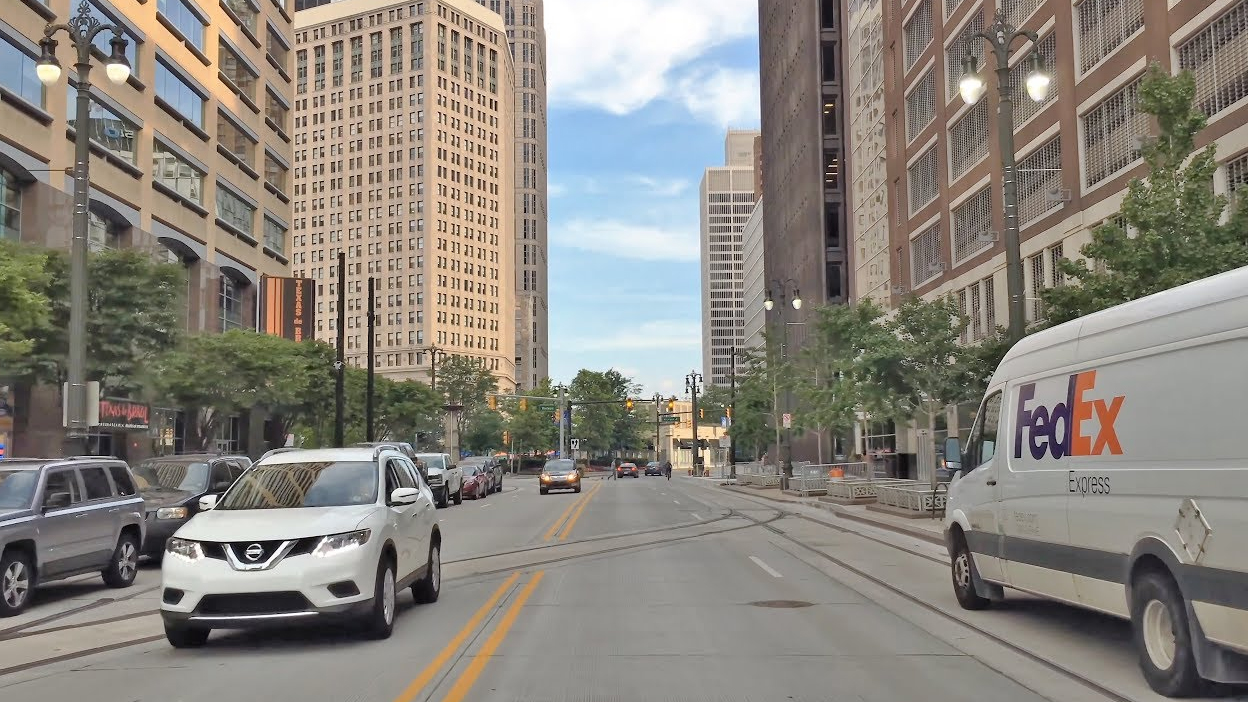
Certain attitudes and choices can make moving to Detroit smoother. Establishing small daily routines closely tied to local community spaces—like a neighborhood coffee shop, park, or grocery store—builds familiarity.
Patience is vital. Allowing oneself to adapt at a natural pace, without forcing immediate mastery over the city’s complex urban fabric, supports well-being.
Choosing a neighborhood aligned with personal lifestyle and values helps ease the transition. For example:
- West Village offers tree-lined streets and locally owned businesses like Red Hook Coffee, appealing for those who value walkability and neighborhood character.
- New Center places residents close to historic commercial areas and major institutions, supporting connection to both culture and commerce.
- Eastern Market and Midtown provide vibrant street life with community events and regular social opportunities.
It is not about following prescribed step-by-step instructions but about gradual adaptation and ongoing discovery. Moving to Detroit involves embracing the city’s richness and complexity one neighborhood and one experience at a time.
Conclusion
Feeling unsettled or disoriented in the early days after moving to Detroit is normal. These experiences do not indicate that relocating was a mistake, but rather reflect the city’s varied neighborhood identities and dynamic cultural offerings.
What to expect in Detroit is an adjustment journey full of discovery. As newcomers explore beyond their initial neighborhoods, they begin to find communities aligned with their values, tastes, and lifestyle preferences.
Living in Detroit means embracing this gradual process and looking forward to finding one’s place within a city that is always evolving. Moving to Detroit opens the door to a rich urban fabric and diverse social scenes, which become clearer and more welcoming with time.